
A surprising number of persistent hip and back problems are not caused by a single injury but by how the body adapts to daily habits like sitting, walking, and even standing. Over time, these movement patterns can quietly reshape posture and load the spine in ways that create long-term discomfort.
At Bristol Biomechanics, we see this every day in clients from across Bristol, from Clifton to Bedminster and down into Southville. Many arrive after months or even years of trying to manage recurring hip tightness, lower back discomfort, and stiffness that never fully resolves.
These issues are often highly responsive to targeted corrective work when the real cause is identified.
Why Hip Pain and Lower Back Issues Are So Closely Linked
The hips and lower back work as a connected system. When the hips lose proper function, the lower back is often forced to compensate. This is one of the most common patterns we see in clinics.
A frequent example is anterior pelvic tilt, a common driver of lower back pain, where the pelvis tilts forward excessively, placing undue pressure on the spine and hip joints. Over time, this can lead to:
- Tight hip flexors
- Weak or inactive glutes
- Compression in the lower back
- Reduced movement efficiency when walking or running
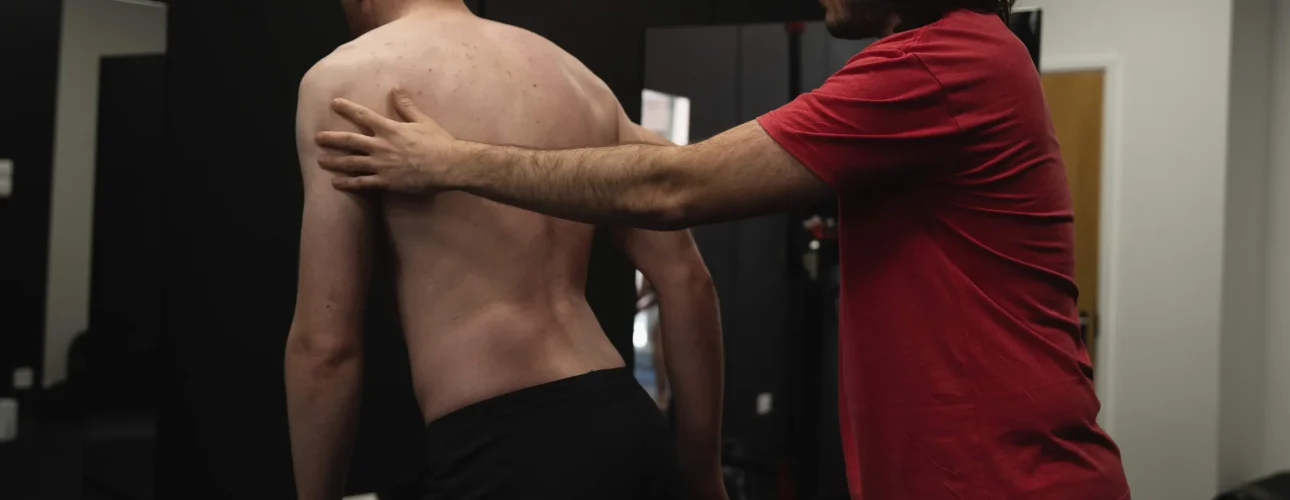
Many people are unaware this pattern is even happening until discomfort becomes consistent. Correcting this pattern is not about stretching one tight muscle. It requires retraining how the entire body coordinates movement.
The Hidden Driver Behind Sitting-Related Back Pain
Modern life involves long hours of sitting, whether in offices, driving, or working from home. One of the most common complaints we hear is low back pain after sitting, particularly when standing up or transitioning into movement.
This happens because prolonged sitting encourages:
- Reduced hip extension capacity
- Shortened anterior chain muscles
- Reduced spinal support from deep stabilising muscles
- Overreliance on the lower back for movement
When someone stands up after sitting for long periods, the body often lacks the coordination to distribute load efficiently, leading to stiffness or sharp discomfort.
Addressing low back pain after sitting requires more than posture awareness. We need to change your posture at a fundamental level so that your body rests in a functional position naturally, without placing excessive strain on the spine.
How Corrective Exercise Actually Works
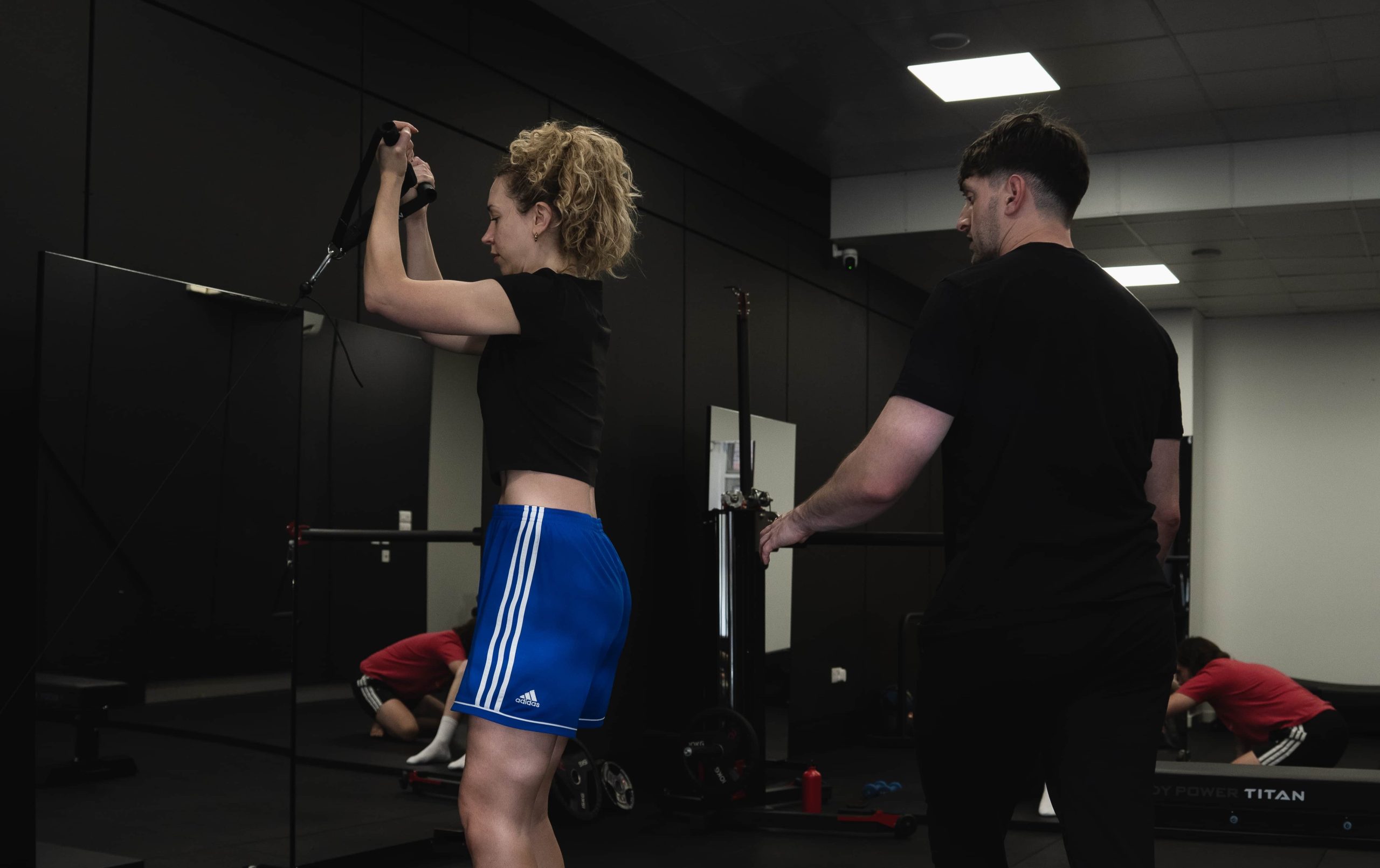
Corrective exercise is not traditional fitness training. It is a structured process of identifying dysfunctional movement patterns and retraining the body to move efficiently again.
Within our system at Bristol Biomechanics, we use a combination of:
- Myofascial release to reduce excessive muscular tension
- Movement re-education to restore coordination
- Strength development through corrective resistance training
- Lifestyle adjustments that support recovery
- Coaching and feedback to ensure consistency
This approach is designed to resolve the root cause rather than temporarily reduce symptoms.
When applied correctly, corrective exercise methods in Bristol can significantly reduce chronic hip and back pain by improving how the body distributes load during everyday movement.
What We See in Real Client Transformations
Many of our clients come to us after trying multiple approaches without lasting results, including conventional rehab, gym-based training, and stretching routines.
Some examples of outcomes include:
- A client reducing pain from 8.5 out of 10 to 3 out of 10 within twelve weeks
- A client eliminating sciatica entirely after six guided sessions
- A client recovering from severe neck and hip pain and returning to full work capacity
- Multiple clients returning to sport after long-term injury-related limitations
One client, Derek, came to us with recurring lower back spasms that left him unable to move several times a year. After identifying movement inefficiencies and applying targeted corrective strategies, he is now pain-free and has significantly improved his posture and strength.
These results are not based on quick fixes. They come from consistent retraining of movement habits.
Why Bristol Biomechanics Is Different
What sets our approach apart is the integration of biomechanics-based analysis with structured coaching.
Our team includes certified practitioners:
- Bobby Filer (HBS4)
- Tom Blake (HBS3)
- Aaron Mason (HBS1)
We are trained in the Functional Patterns methodology, a system focused on restoring natural human movement efficiency through gait, posture, and coordination training.
Unlike general exercise programmes, our system is built around:
- Identifying root movement dysfunctions
- Correcting full-body coordination rather than isolated muscles
- Building long-term resilience rather than short-term relief
Our 24-week programme is structured to guide clients step-by-step through assessment, correction, and progression, ensuring that improvements are sustainable.
The Five Key Components Of Our Programme
Our system is built around five essential pillars:
- Myofascial release to reduce tension in tight and restricted tissue, restore mobility and prepare the body for corrective work
- Lifestyle changes including sleep, stress, and daily habits that influence how the body holds itself and recovers
- Education to help clients understand their own movement patterns and take ownership of their progress
- Accountability and coaching support to keep clients on track with weekly guidance and direct coach access throughout
- Corrective exercise using Functional Patterns methods to rebuild efficient, pain-free movement from the ground up
Each component works together to create lasting change rather than temporary relief.
Frequently Asked Questions
What causes pelvic-tilt-related back pain?
Pelvic tilt often develops from prolonged sitting, muscular imbalance, and reduced hip function. This creates uneven loading through the spine, contributing to discomfort and stiffness.
Can corrective exercise help low back pain after sitting?
Yes. By retraining how the hips and spine coordinate during movement, corrective exercise can significantly reduce discomfort associated with prolonged sitting and standing transitions.
How long does it take to see results?
Many clients notice improvements within a few weeks, but deeper structural change typically develops over a structured programme such as our 24-week system.
Ready to Move Without Pain Again?
If you are struggling with persistent hip or back discomfort, the most effective starting point is a proper assessment of how your body moves.
Book your free phone consultation or initial assessment with our team today and find out whether our structured 24-week programme is the right fit for your recovery journey.
No guesswork. Just clear analysis, structured coaching, and a path towards lasting change.