
Stretching is often recommended for aches and stiffness. It may offer short-term relief, but it is a short-sighted, isolated approach that does not address the underlying cause of pain, and can create long-term problems by increasing instability. If your body keeps becoming tight, there is usually a deeper movement issue that stretching cannot resolve.
Many people spend months or even years following mobility routines or online stretching advice without lasting improvement. At Bristol Biomechanics, we identify the root cause of pain and restore efficient movement using the Functional Patterns methodology, helping you achieve long term relief instead of temporary fixes.
Why Muscles Become Tight
Many people assume tight muscles simply need to be stretched. In reality, muscle tightness is often your body’s protective response to instability or biomechanical dysfunctions.
Imagine a building with unstable foundations. Repairing cracks in the walls without strengthening the structure underneath will only provide a temporary fix. Your body works in much the same way.
When your joints are poorly supported or your movement patterns become inefficient, certain muscles work much harder than they should. Those muscles become overworked, creating the sensation of tightness. Stretching them may offer short-term relief, but it does not correct the underlying movement problem, and can lead to long-term issues by increasing instability. The tension will continue to return until the true cause is addressed.
The Link Between Pain and Posture
Your body functions as one connected system. Small changes in the way you stand, walk or move can gradually place excessive stress on other areas.
Poor movement habits may contribute to:
- Persistent neck tension
- Lower back discomfort
- Shoulder pain
- Hip stiffness
- Recurring headaches
- Reduced mobility
This is why understanding pain and posture is so important. Rather than focusing only on where the pain appears, we assess how your entire body moves.
At Bristol Biomechanics, every assessment examines posture, gait and movement patterns to identify the root cause rather than simply treating symptoms.
Why Stretching Often Falls Short
We do not recommend stretching as part of our approach. Stretching can worsen posture and movement over the long term, as it causes tissue laxity and increases instability rather than resolving it.
If muscles are continually compensating for poor movement mechanics, repeatedly stretching them can sometimes make the problem worse by increasing instability instead of improving function.
Long term improvement requires a combination of:
- Assessing posture and gait to identify the root cause
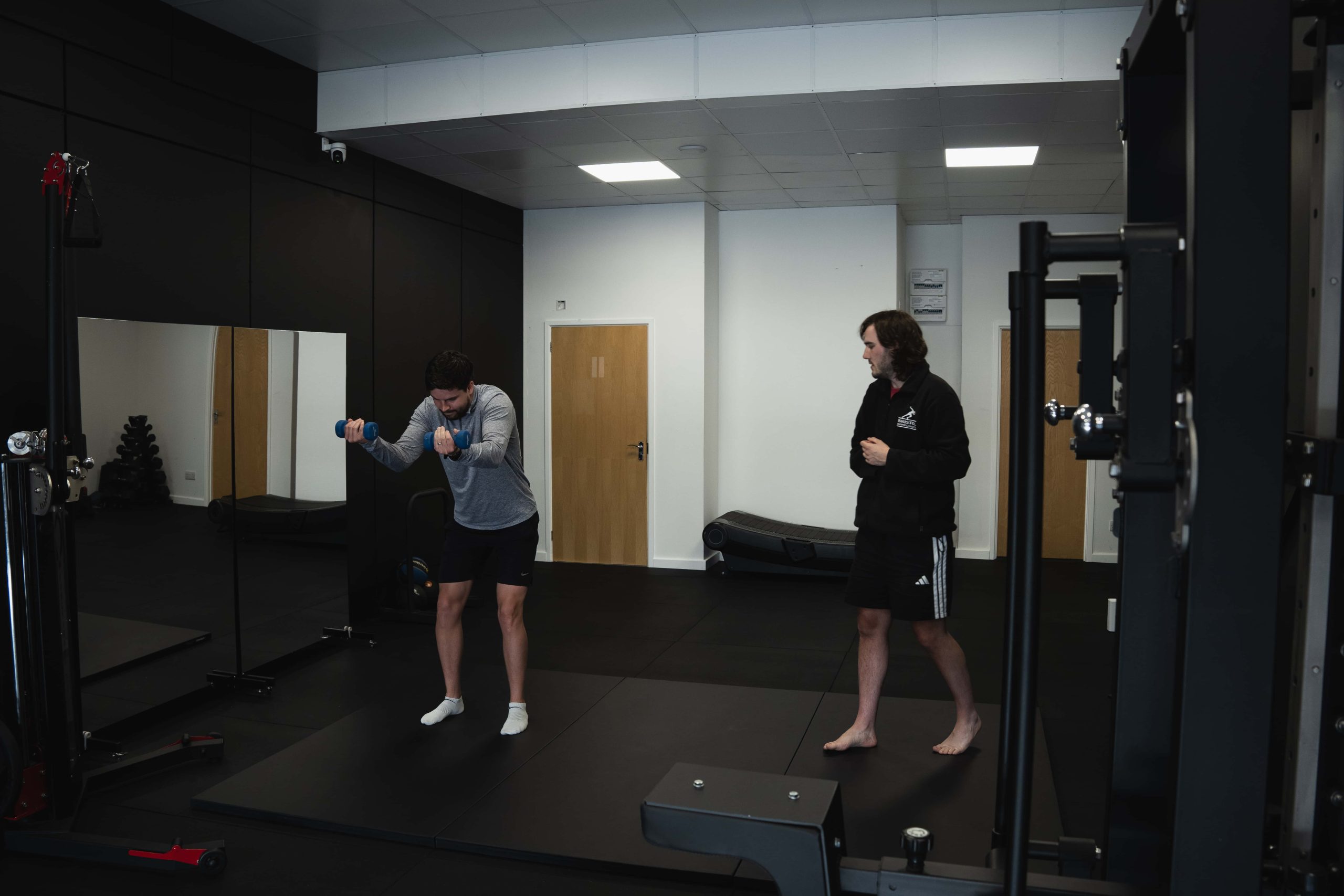
- Using corrective exercise to address the underlying problems
- Assessing daily habits and behaviours to enhance progress and support a more functional lifestyle
- Using myofascial release to help manage pain symptoms and address the real restrictions within the tissues, rather than stretching around them
This is where effective functional training programmes differ from traditional exercise routines. Instead of simply strengthening muscles in isolation, they teach the body to move as an integrated system.
Why Posture Realignment Matters
Many painful conditions develop gradually over months or even years.
Spending hours sitting, repetitive work, previous injuries and inefficient exercise techniques can all influence how your body adapts over time.
Successful posture realignment is not about forcing yourself to stand perfectly straight. It starts with identifying what your body is not doing properly and understanding why it has developed compensations around these gaps. From there, we apply the right stimulus to challenge your body and encourage it to adapt towards a more functional posture.
At Bristol Biomechanics, we use the Functional Patterns methodology to improve the body’s natural mechanics through carefully selected corrective exercises. As movement improves, many people notice better posture developing naturally rather than consciously trying to hold themselves differently.
A More Complete Approach to Recovery
Any lengthening of a muscle within our programmes happens as a natural result of contracting and training other muscles through corrective exercise, not through standalone stretching.
Our approach combines five essential components that work together to create lasting change.
Myofascial Release
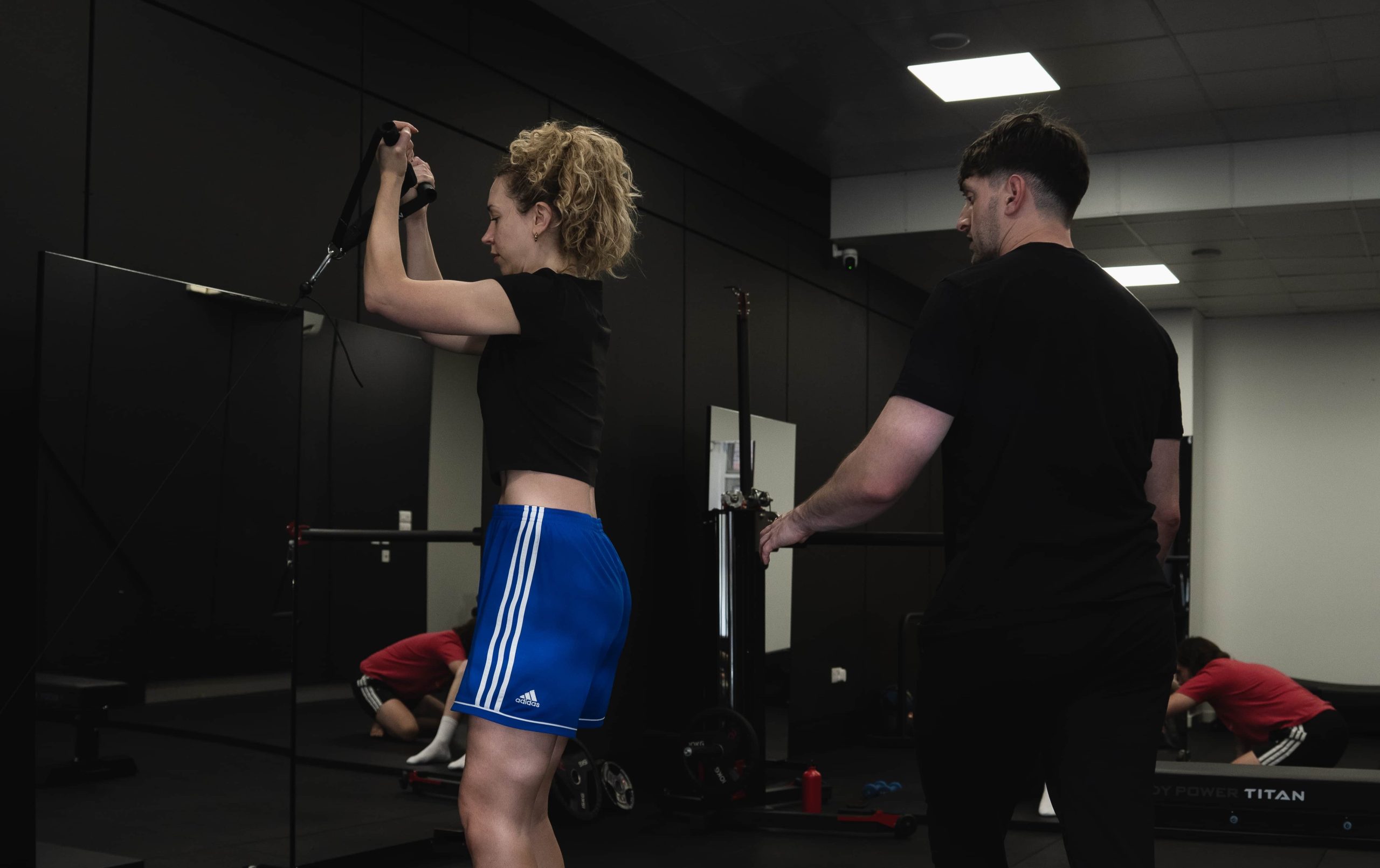
Rather than stretching, we teach targeted self massage techniques that release muscle tension and prepare your connective tissue for more effective movement.
Lifestyle Changes
Recovery extends beyond exercise. Sleep quality, stress management, nutrition and daily movement habits all influence how your body heals.
Education
Understanding why your symptoms occur allows you to make informed decisions and avoid habits that continue feeding the problem.
Accountability and Support
Regular coaching, video feedback and ongoing communication help you stay consistent throughout your recovery.
Corrective Exercise
Corrective exercise forms the foundation of our work, helping your body move with greater efficiency, balance and control.
Real Results Come From Addressing the Root Cause
Our clients often arrive after trying stretching routines, massage, chiropractic care or physiotherapy without lasting success.
Once the true movement dysfunction is identified, meaningful improvements often follow.
Some of the outcomes achieved by our clients include:
- Reducing pain from 8.5 out of 10 to 3 out of 10 within 12 weeks
- Becoming free from sciatica after only six sessions
- Eliminating chronic migraines through online coaching
- Returning to martial arts and competitive sport
- Playing with their children again without pain
- Returning to work and daily activities with greater confidence
These results come from addressing the underlying movement issues rather than simply masking symptoms.
Why Choose Bristol Biomechanics?
Our Bristol team focuses on helping people understand why their pain developed and how to resolve it through better movement.
Every practitioner holds Functional Patterns certification.
- Bobby Filer, HBS4
- Tom Blake, HBS3
- Aaron Mason, HBS1
We provide personalised programmes alongside flexible pay-as-you-go sessions, with pricing varying by practitioner, allowing you to choose the option that best suits your goals.
Whether you visit our Bristol studio or train remotely from elsewhere in the UK or internationally, every programme begins with understanding how your body moves before designing a tailored plan for recovery.
Our approach centres on functional training programmes that improve movement quality instead of simply chasing symptoms.
Practical Steps You Can Start Today
While professional guidance often produces the best results, there are several habits that can support healthier movement.
- Break up long periods of sitting with regular walks.
- Avoid holding the same posture for extended periods.
- Avoid stretching, and instead focus on controlled, high quality movement and Myofascial Release.
- Build strength alongside mobility.
- Seek a professional assessment if pain repeatedly returns, rather than continuing to stretch.
Small, consistent improvements often produce greater long term results than dramatic changes.
Conclusion
Stretching offers short-term relief but is not a real solution. It is a short-sighted, isolated approach that can create long-term problems by increasing instability. If your body continually returns to the same painful patterns, there is usually a deeper movement issue that needs addressing, and Myofascial Release, not stretching, is the better place to start.
Understanding pain and posture, improving movement quality and using structured functional training programmes can help create lasting improvements that stretching alone cannot achieve.
With expert guidance, realistic expectations and a personalised approach, it is possible to reduce pain, improve movement and regain confidence in your body.
Frequently Asked Questions
Should I Stop Stretching If I Have Chronic Pain?
Yes. We recommend avoiding stretching and using Myofascial Release instead, alongside a broader recovery plan that addresses movement quality, stability and strength.
How Long Does Posture Realignment Take?
Every person is different. Recovery depends on factors such as your movement habits, previous injuries and consistency with your programme. Some clients notice improvements within weeks, while others require longer term progression.
Can I Work With Bristol Biomechanics If I Do Not Live In Bristol?
Yes. Alongside in person sessions at our Bristol studio, we also work with clients throughout the UK and internationally using our online coaching programmes.
Take The First Step Towards Lasting Recovery
Your journey begins with a free initial posture and gait assessment. From there, we will recommend a personalised programme or, if you prefer flexibility, pay-as-you-go sessions with one of our practitioners. Speak with your trusted Bristol movement specialists.