
For many people suffering with lower back and hip pain, driving and sitting for prolonged periods of time can cause symptoms to feel significantly worse. This causes feelings of tightness, restriction, and increased pain when it comes time to move from the seated position. For many people across Bristol, from commuting through Clifton to school runs in Bedminster or longer motorway journeys from the wider BS postcode area, time in the car becomes a consistent contributor to ongoing discomfort.
If you are experiencing lower back pain when driving that affects your daily life, you’re not alone. We regularly meet clients at Bristol Biomechanics who notice their symptoms worsen after driving or sitting for any length of time. The frustration is often compounded by the fact that stretching, massages, or previous treatments may have provided only temporary relief.
The good news is that pain when driving is rarely random. It usually has a clear mechanical cause that can be addressed with the right approach.
Why Driving Causes Lower Back Pain
The biggest factor contributing to lower back pain when sitting or driving is spinal compression. This can be most clearly recognised through standing posture and movement assessments, shown by excessive extension (arching) of the lower back, rounded upper back posture and pelvic imbalances.
When in a seated position at work or driving, this spinal compression from a dysfunctional standing posture is still present and often worsened by the fact that the lower spine may slump into an even more compressed position.
Common factors contributing to spinal compression include:
- Lack of deep core function to support and decompress the spine
- Poor spinal posture due to lack of muscular support and decompression.
- Poor seat positioning relative to pedals and steering wheel
The key fact here being that, unless spinal compression is addressed at the root-cause, posture & movement, you will only be able to manage symptoms with adjustments to positioning.
Our goal at Bristol Biomechanics is to get your spine decompressed, adaptable, resilient and able to take on whatever life throws your way. Whether that’s long aeroplane flights, long drives or work shifts, your spine needs strength, stability and resilience to handle these situations without pain.
We develop this resilience through identifying the dysfunctions present in how you stand and walk and through corrective exercise addressing these issues. That way your baseline posture is more decompressed and functional, and your body is better able to adapt to driving and sitting, free from pain.
When spinal compression isn’t addressed at the root-cause, the body continues to load unevenly in every position, including behind the wheel. Over time, this can lead to persistent back pain from driving, sciatica symptoms, or muscle spasms.
Importantly, the problem is rarely just the car seat itself. It is usually how your body interacts with the seat based on your existing movement patterns and posture.
The Hidden Root-Cause Most People Miss
One of the biggest misunderstandings around back pain from driving is the belief that the issue is purely local to the lower back.
In reality, your spine functions as part of a whole-body system. Restrictions in the hips, ribcage, or shoulders can create compensations that overload the lumbar spine when sitting.
At Bristol Biomechanics, we use a Functional Patterns approach that looks at:
- Postural alignment
- Walking and movement mechanics
- Muscle coordination patterns
- Lifestyle habits such as sleep and stress
- Tissue quality and mobility
By addressing these factors together, we target the root-cause rather than masking symptoms.
Signs Your Body Is Struggling to Adapt
You may notice:
- Pain increasing during or after journeys
- Stiffness when getting out of the car
- Pain radiating into the hips or legs
- Sciatica flare-ups after sitting
- Needing to constantly shift position
- Relief when lying down or walking
These patterns are not necessarily a sign that you are sitting wrongly. They are a sign that your body lacks the resilience to handle everyday positions without pain.
Think of a cat sleeping curled in a tiny box, then springing up and moving freely with no stiffness or hesitation. That is what a well-balanced, adaptable body is capable of. At Bristol Biomechanics, that is the standard we work towards, rebalancing your movement system so your spine can handle whatever position life puts you in.
How to Address Spinal Compression
If driving is consistently aggravating your lower back, the focus should be on tackling spinal compression directly rather than managing symptoms in the moment. At Bristol Biomechanics, we approach this in four stages:
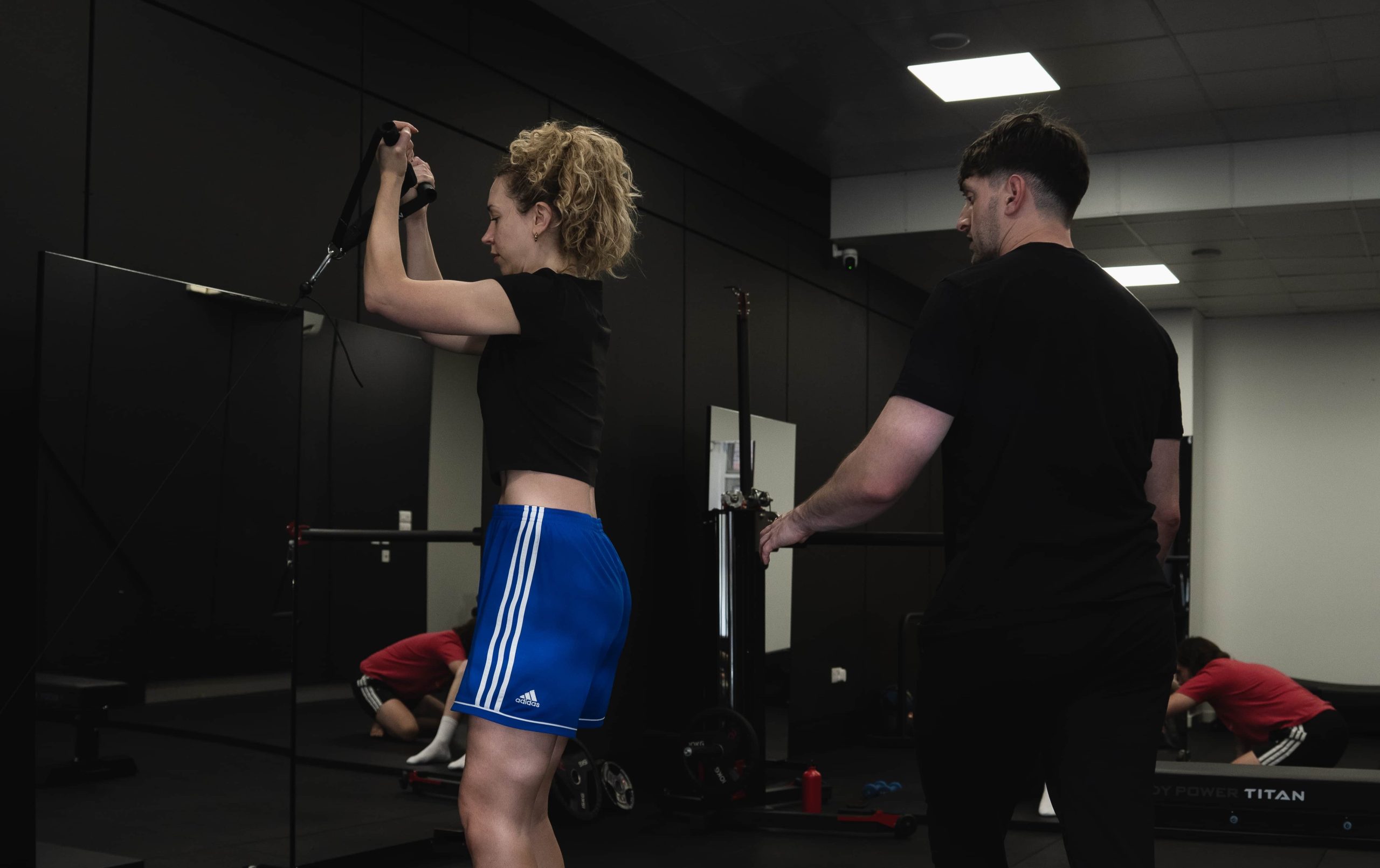
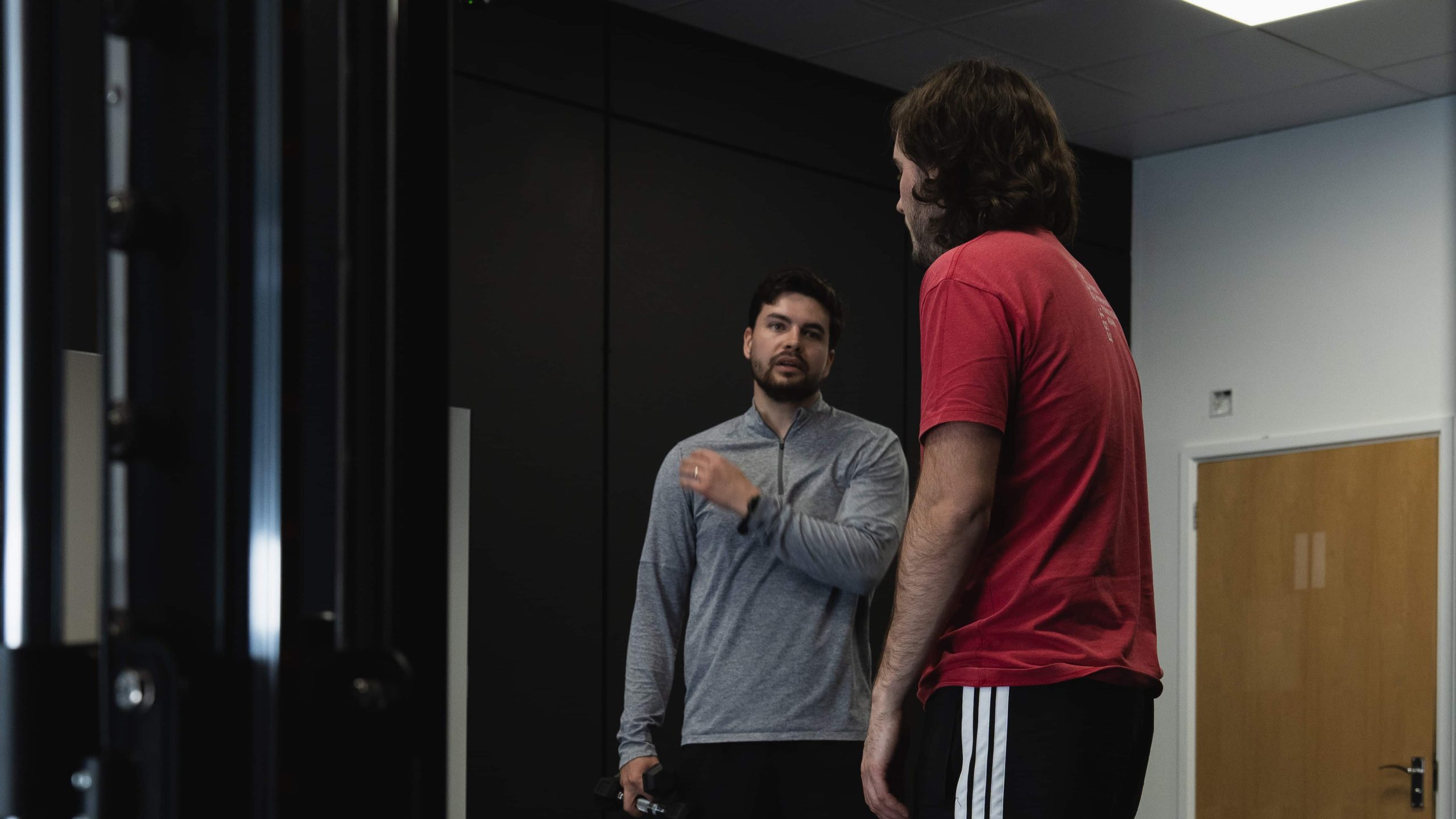
- Assess your posture to identify the contributing factors to compression in your structure, looking at how you stand, move, and walk as a baseline.
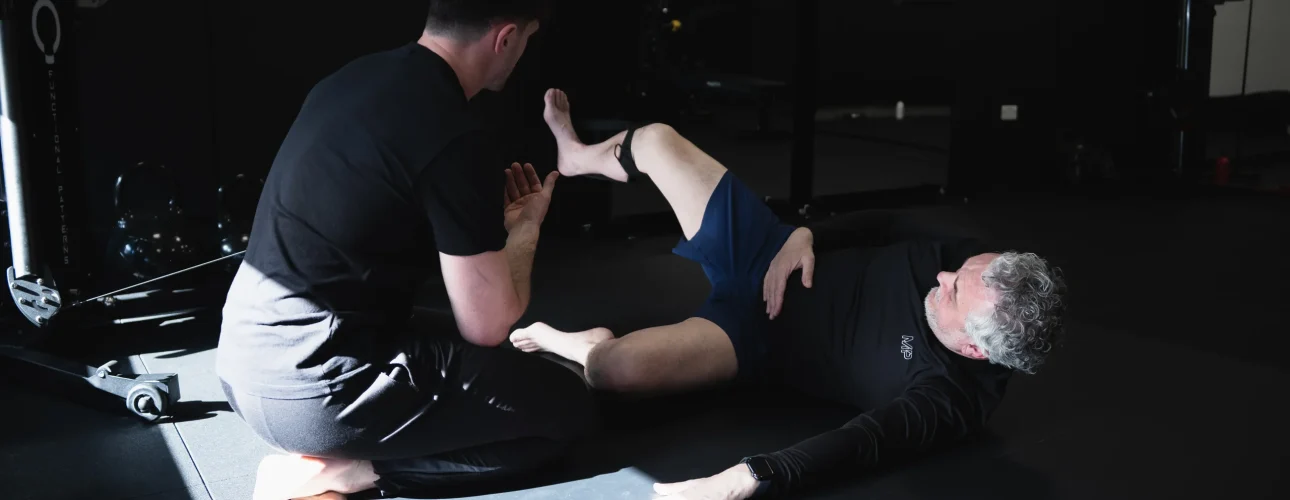
- Apply myofascial release to promote rehydration and release restrictions around the hips and spine, improving tissue quality and creating space for movement.
- Use Functional Patterns corrective exercises to address the underlying dysfunctions and rebalance the system, rebuilding strength and coordination where it is needed most.
- Apply movement and postural corrections in daily life to maintain structural stability, promote ongoing decompression, and reduce the load your spine carries in every position.
This is not a quick fix. It is a structured process that builds a more resilient, adaptable body from the ground up.
When Pain Does Not Improve
Many of our clients come to us after trying multiple approaches without lasting success. Some have previously tried physio, chiropractic care, or traditional gym training, yet the pain returned once treatment stopped.
This is often because the underlying movement dysfunction was never fully addressed.
We have worked with people experiencing:
- Chronic lower back pain
- Sciatica
- Hip pain
- Neck and shoulder pain
- Migraines
- Post-surgical recovery
- Sports-related injuries
- Scoliosis-related discomfort
One client reduced their pain from 8.5 out of 10 to 3 out of 10 within 12 weeks while also losing weight and improving posture. Another eliminated sciatica after six sessions. Others have returned to martial arts, running, and daily life without limitations after years of frustration.
Why Choose Bristol Biomechanics
Our Bristol team works with clients from Clifton, Redland, Southville, Bishopston, Horfield, and beyond, as well as online across the UK and internationally.
What makes our approach different:
- Certified Functional Patterns practitioners: Bobby Filer (HBS4), Tom Blake (HBS3), and Aaron Mason (HBS1)
- A structured 24-week programme focused on long-term change
- Root-cause movement correction rather than symptom management
- Personalised guidance and accountability
- Proven transformation results
Our programme includes five key components:
- Myofascial release: To improve tissue quality.
- Lifestyle changes: Supporting recovery.
- Education: So you understand your body.
- Accountability and support: Throughout your programme.
- Corrective exercise: Integrating full-body function.
We are honest about timelines. Recovery is rarely instant, but meaningful improvement often begins within the first few weeks when the right factors are addressed.
What Recovery Can Feel Like
Clients frequently report:
- Reduced pain when driving
- Improved sleep quality
- Better stress management
- Increased confidence in movement
- Returning to exercise and hobbies
- Playing with children without discomfort
This transformation is not just physical. It affects overall quality of life.
FAQ
Why does my back hurt more after driving than sitting at home?
Car seats often encourage a more rounded posture and restrict movement compared to chairs at home. This can increase pressure on the spine and aggravate existing imbalances.
Can driving cause sciatica?
Yes. Prolonged sitting combined with poor posture can irritate nerves and contribute to sciatica symptoms, especially if underlying movement dysfunction exists.
How long does it take to fix driving-related back pain?
This depends on the severity and duration of the issue. Some people notice improvement within weeks, while more complex cases may require several months of structured correction.
Put an End to Pain Behind the Wheel
Driving should not mean pain. If discomfort behind the wheel is affecting your daily life, our Bristol team can help you get to the root of it. Book your free consultation today and take the first step towards comfortable, pain-free movement.