
Sitting at a desk is not the problem. Spending hours in the same position with poor posture is. Over time, these patterns can place increasing strain on your neck, shoulders and lower back, leading to persistent pain and stiffness.
Whether you work from an office in Bristol, from home, or spend most of your day at a computer, your daily posture has a significant impact on how your body feels and functions.
If stretching, massage, physiotherapy or chiropractic treatment has only provided temporary relief, the underlying issue may be your posture and how you move. At Bristol Biomechanics, we identify the root cause of chronic pain and use corrective exercise, guided by the Functional Patterns methodology, to rebalance your posture, allowing you to sit, stand and move freely without pain, helping you achieve lasting results rather than simply masking symptoms.
How Poor Desk Habits Affect Your Body
The human body evolved to stand, walk, run and throw, which is why our main priority for health should be mastering these functions. When the body adapts to a seated position, it becomes worse at standing, walking, running and throwing, gradually becoming divorced from the functions it was designed to perform.
This is a key reason why pain develops, and remaining seated for prolonged periods encourages the body to adapt in ways that often create unnecessary compression throughout the spine.
Some of the most common changes we see include:
- Rounded shoulders
- A forward head position
- Reduced spinal mobility
- Tight hips
- Poor breathing mechanics
- Increased pressure through the lower back
As these changes accumulate, the relationship between pain and posture becomes increasingly apparent. One imbalance often creates another, causing the body to compensate until discomfort becomes persistent.
How We Identify the Cause of Your Desk-Related Pain
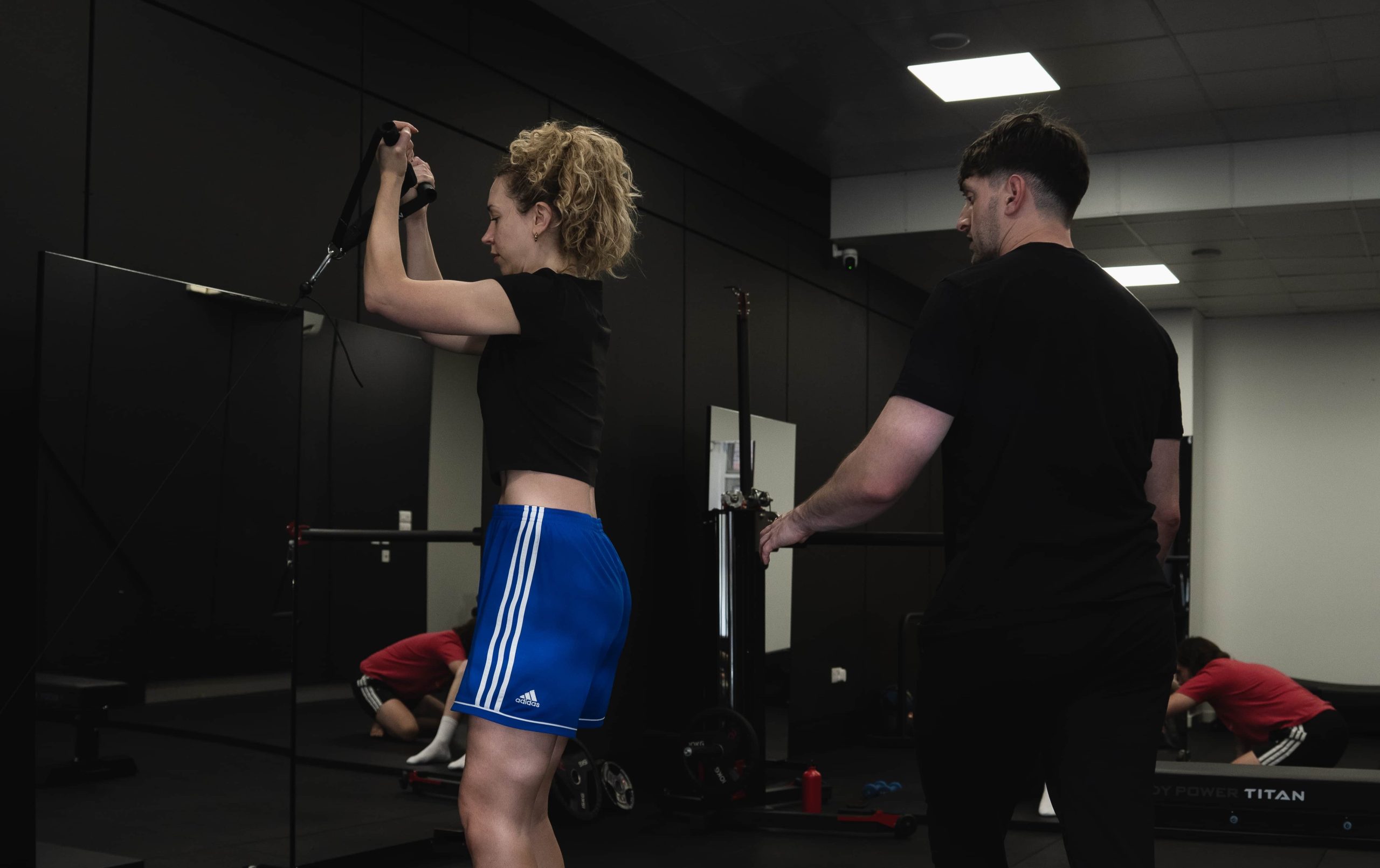
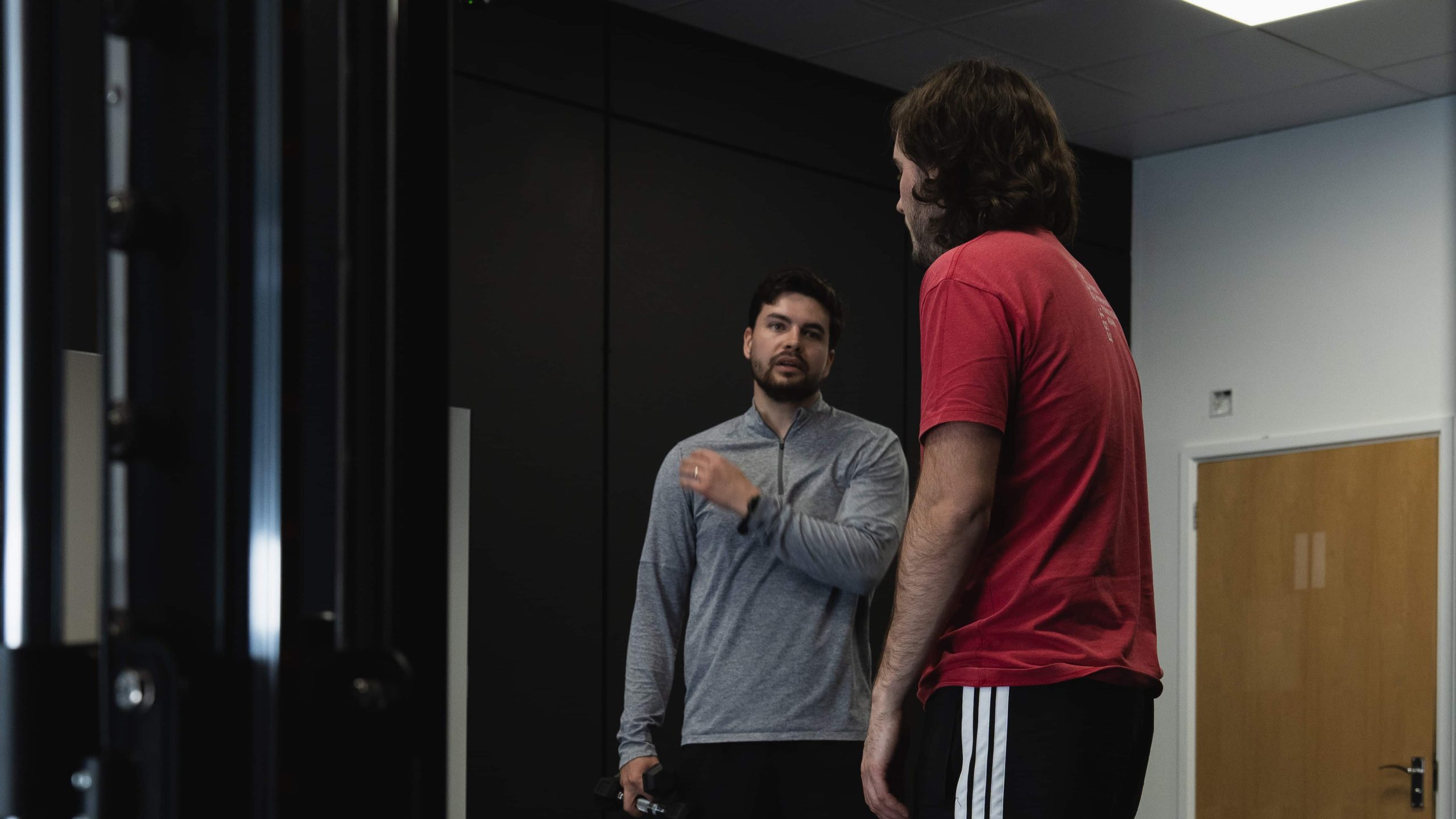
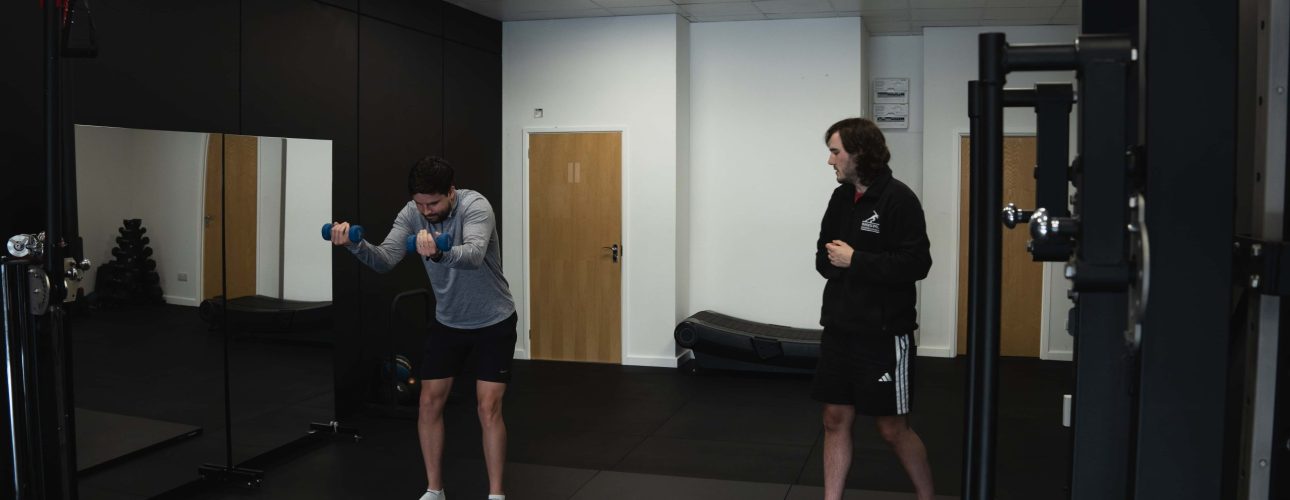
Generic posture advice rarely solves the problem, because the cause of desk-related pain is different for everyone. At Bristol Biomechanics, we assess your standing posture, movement patterns and seated posture together to identify the specific issue behind your pain, rather than applying a one-size-fits-all fix.
For example, if someone experiences lower back pain because their spine is excessively hunched while seated, we would show them how to sit upright and use their core to take pressure off the spine, addressing the specific compensation causing their discomfort.
This individualised approach means the changes we recommend are directly linked to what is actually happening in your body, giving you a far greater chance of lasting relief than following generic desk posture tips.
Why Stretching Alone Rarely Solves the Problem
Searching online for posture exercises forward head is understandable when neck pain begins affecting everyday life.
However, tight muscles are rarely the whole story.
People often stretch their shoulders and neck because they feel tight. That tightness develops because gravity is compressing the head and shoulders, pulling on the muscles that support them.
Stretching may offer temporary relief, but the real solution is learning to realign your posture so your body can sustain itself against the force of gravity without being crushed by it.
At Bristol Biomechanics, our programmes combine five essential components:
- Myofascial release to improve tissue quality and mobility.
- Corrective exercise using the Functional Patterns methodology.
- Lifestyle changes including sleep, nutrition and stress management.
- Education that helps you understand why pain developed.
- Accountability and support throughout your recovery.
Together, these components help restore more efficient movement rather than simply managing symptoms.
What Does Posture Realignment Actually Mean?
Many people believe posture realignment means forcing their shoulders backwards or sitting unnaturally upright.
In reality, poor posture develops because gravity gradually compresses the skeleton, and the joints settle into whichever position offers the least resistance. Over time, this creates muscular imbalances, restrictions and weakness, which is what causes the pain and dysfunction people experience.
Correcting this is not as simple as consciously sitting upright. It requires building the strength to hold proper posture against gravity, and rebalancing the tension your body has become accustomed to. This can be genuinely challenging, since the body often becomes stuck in a particular position over months or years.
Posture also cannot be corrected in isolation. Your hips, weight distribution and core tension all play a key role, and each needs to be addressed together through targeted, intensive exercise for lasting change to take place.
Real Results That Build Confidence
One of the reasons Bristol Biomechanics has earned the trust of clients across Bristol and beyond is the genuine transformations achieved through our movement based approach.
Real client outcomes include:
- One client reduced their pain score from 8.5 out of 10 to just 3 out of 10 in only 12 weeks while also losing 12 kilograms.
- One client completely eliminated sciatica after just six sessions.
- Another client became virtually migraine free after completing their programme entirely online.
- Clients have successfully returned to martial arts, running and other sports after years of debilitating pain.
- Parents have regained the confidence to play with their children and return to work without discomfort.
These improvements are achieved by addressing movement quality rather than simply chasing temporary pain relief.
Why Choose Bristol Biomechanics?
At Bristol Biomechanics, our team specialises in identifying the underlying movement dysfunctions that contribute to chronic pain.
When you work with us, you benefit from:
- Certified Functional Patterns practitioners Bobby Filer (HBS4), Tom Blake (HBS3) and Aaron Mason (HBS1).
- A free posture and gait assessment tailored to your individual movement patterns.
- Individual rehabilitation programmes tailored to your movement patterns.
- Flexible options including structured programmes and pay-as-you-go sessions, with pricing varying by practitioner.
- In person coaching from our Bristol studio and online programmes available throughout the UK and internationally.
- A proven methodology supported by genuine client success stories.
Whether your goal is reducing pain, improving movement or achieving lasting posture realignment, our team is committed to helping you build a stronger and more resilient body.
Practical Tips You Can Start Today
Although persistent pain is often best assessed by a movement specialist, these simple habits can help reduce unnecessary strain throughout the working day.
- Raise your monitor so the top of the screen is close to eye level.
- Stand and walk for a few minutes every hour.
- Avoid staying in one sitting position for long periods.
- Keep your keyboard and mouse close to your body.
These small changes can help, but they are not a substitute for addressing the root cause. Consistently analysing and correcting your posture and movement is what actually resolves the problem. The body is a complex system, and lasting change requires understanding it properly rather than relying on quick fixes.
Frequently Asked Questions
Can poor desk posture really cause back and neck pain?
Yes. Spending long periods sitting with inefficient movement patterns increases stress on the muscles, joints and connective tissues that support your spine. Over time, this can contribute to chronic discomfort if left unaddressed.
How long does posture realignment take?
Every person is different. Some clients notice improvements within a few weeks, while more complex movement patterns require a longer rehabilitation programme. Consistency is one of the biggest factors influencing long term success.
Can Bristol Biomechanics help if I do not live in Bristol?
Absolutely. Alongside our Bristol studio, we work with clients remotely throughout the UK and internationally. Many clients have achieved excellent outcomes through our online coaching programmes.
Conclusion
Desk work does not have to result in ongoing back and neck pain. The habits you repeat every day influence how your body moves, and improving those habits can transform how you feel.
Understanding the connection between pain and posture, improving movement quality and addressing the root cause of dysfunction rather than masking symptoms provides the best opportunity for long term recovery.
If you have been struggling with recurring discomfort and feel like you have tried everything, a professional movement assessment could provide the missing piece of the puzzle.
Ready to overcome your chronic pain?
Get in touch with Bristol Biomechanics for a personalised assessment and find out which programme or session option is right for you.
Prefer flexibility? We also offer pay-as-you-go sessions alongside structured programmes. Book your free assessment to discover what works best for your goals.