
Chronic pain is the result of an accumulation of muscular and postural imbalances. These imbalances become deeply ingrained, affecting not just how you move but also how you feel daily.
Across Bristol, from Clifton to Bedminster and the wider BS postcode area, more people are starting to recognise that pain is often a movement problem rather than weakness that needs strengthening or tightness that needs stretching. Understanding this distinction is essential if you want long-term results instead of temporary relief.
If you have been dealing with ongoing discomfort, stiffness, or recurring flare-ups, you are not alone. Many people come to our Bristol studio after trying multiple approaches without lasting change. The frustration can be exhausting, particularly when pain begins to affect sleep, stress levels, confidence, and daily life.
One of the most powerful tools we use to help clients regain control of their bodies is myofascial release. Bristol residents who have tried other approaches often find it becomes an essential part of the solution to fixing chronic pain.
What Is Myofascial Release?
Myofascial release is a targeted form of self-massage that effectively rehydrates muscle and connective tissues and redistributes tension throughout the body.
Myo = muscles, fascia = connective tissue that holds the muscles together.
Postural and movement dysfunctions cause myofascial adhesions, commonly known as knots, in the tissues. These restrict movement, hydration and can cause pain.
Unlike a general massage in Bristol, the way we do myofascial release aims to:
- Prehydrate the tissues
- Reduce chronic pain
- Re-tension the body to allow better posture
- Prepare the body for corrective exercise
It is not just about releasing tension. It is about creating the conditions your body needs to move correctly again and making the tissues receptive to postural changes through corrective exercise.
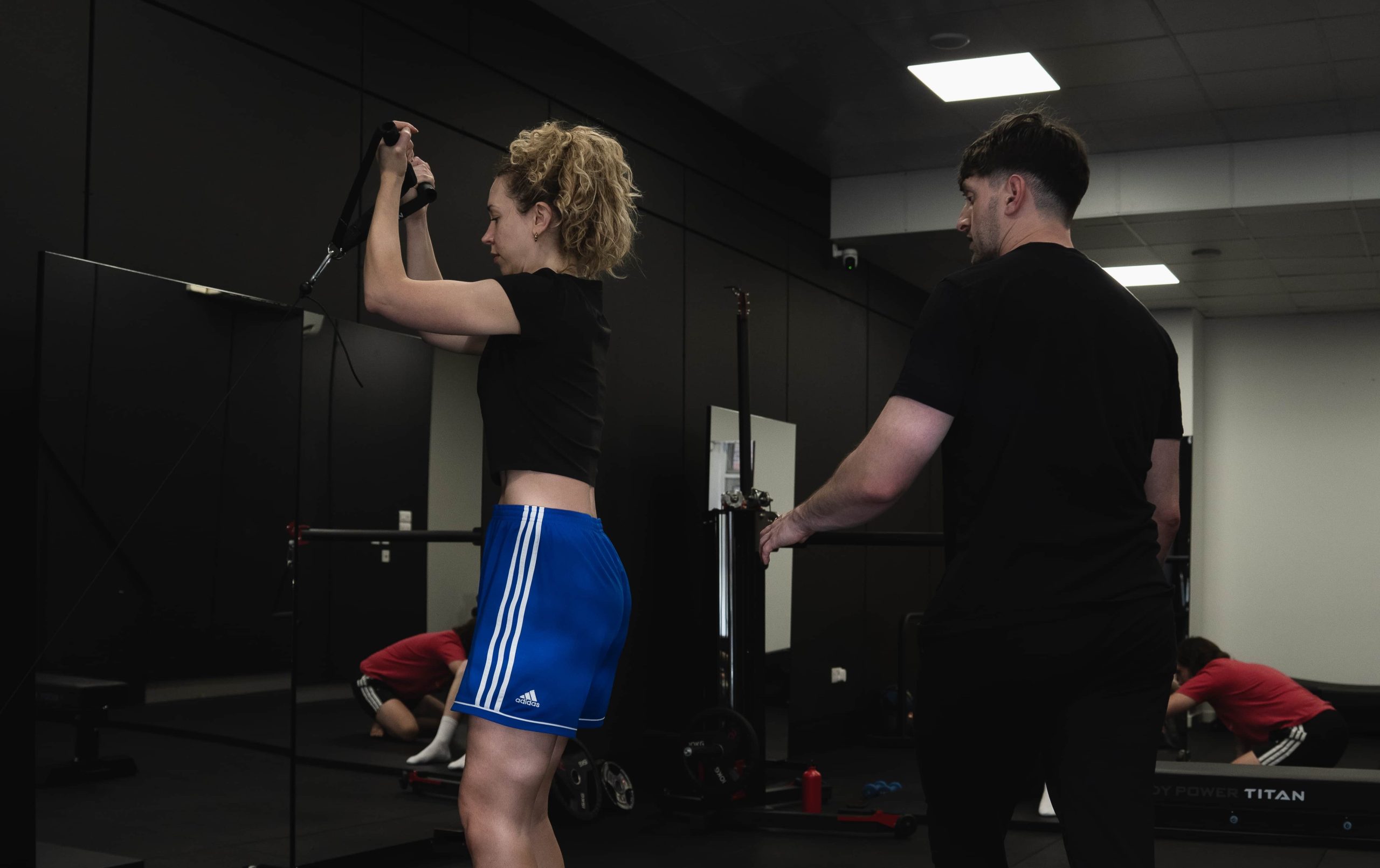
At Bristol Biomechanics, myofascial release is combined with movement retraining because release alone does not fix the root-cause.
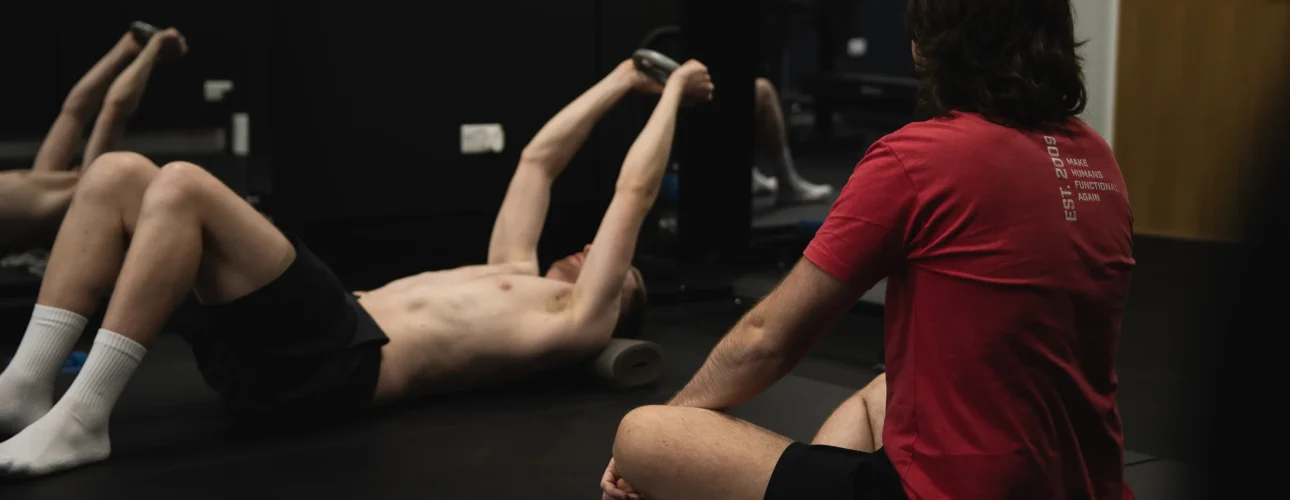
In addition, we teach you to perform self-massage with simple tools so you are not reliant on a professional to achieve a release when needed.
Why MFR Works Where Stretching Falls Short
Many people are aware that their muscles and fascia are restricted and tight, limiting proper range of motion and the body’s ability to load tension correctly.
Over time, this can contribute to:
- Lower back pain
- Sciatica
- Neck and shoulder pain
- Migraines
- Hip pain
- Nerve irritation
- Sports injuries
- Post-surgical stiffness
The most common advice is to improve range of motion through stretches to relieve pain, and while this may temporarily provide relief for some, it does not address the root-cause and actually does more damage long term.
This is because stretching will not address the knots and blockages in the system causing restriction and dehydration. Instead, tissues around the restricted area are stretched excessively and the knot tightens further. Imagine a knot tied in an elastic band. Stretching it only tightens the knot.
Therefore, myofascial release provides a safer and more effective method to address tightness and pain in the body while also preparing the body for corrective exercises that realign posture.
How Myofascial Release Reduces Pain
There are several key mechanisms behind why myofascial release can be so effective for those dealing with chronic tension:
- Improved hydration, which supports muscle growth and strengthening
- Reduced strain on the tissues as knots are worked out of the body
- Restored mobility and postural balance
However, it is important to be honest. Myofascial release is not a standalone solution. Without addressing movement dysfunctions, knots often return. That is why we integrate it into a structured programme.
Self-Management Versus Specialist Support
At Bristol Biomechanics, we believe in self-sufficiency and understanding how to solve the problem long-term. We can teach you how to perform myofascial release at home with affordable, easy-to-use tools so that you learn the life skills to stay pain-free.
We can help you understand:
- Which muscles to target and why
- Duration and frequency
- Which tools and techniques are relevant
- How to go beyond massage into fixing posture and movement
Our Approach at Bristol Biomechanics
Myofascial release is one part of a comprehensive recovery system at Bristol Biomechanics, built around the Functional Patterns methodology.
Our five key components include:
- Myofascial release
- Lifestyle changes
- Education
- Accountability and support
- Corrective exercise
We guide clients through a clear process:
- Step one: Free phone consultation
- Step two: Free posture and gait assessment
- Step three: Personalised 24-week programme
This structure provides consistency and measurable progress rather than guesswork.
Real Results From Real Clients
We have worked with people across Bristol, including Redland, Bishopston, and Horfield, who believed they would always live with pain.
Examples include:
- A client who reduced their pain from 8.5 to 3 out of 10 in 12 weeks
- A client who eliminated sciatica after six sessions
- A client who became free of migraines after online coaching
- Athletes returning to martial arts after years of discomfort
- Parents able to play with their children again
Many clients previously tried physiotherapy, chiropractic care, or conventional training without lasting improvement.
The difference comes from addressing movement patterns, not just symptoms.
Why Bristol Biomechanics Is the Right Choice
Our Bristol team includes certified Functional Patterns practitioners who are focused on one thing: lasting results.
- Bobby Filer (HBS4)
- Tom Blake (HBS3)
- Aaron Mason (HBS1)
Clients work with us because we focus on:
- Root-cause solutions
- Long-term posture and movement improvement
- Personalised coaching
- Accountability and guidance
- Realistic recovery timelines
We also offer online coaching for those outside Bristol.
Most importantly, we care about the human side of recovery. Improved sleep, reduced stress, confidence, and the ability to enjoy everyday life again are just as important as pain reduction.
Frequently Asked Questions
Is myofascial release painful?
It should feel like pressure rather than sharp pain. Some discomfort is normal in tight areas, but techniques should always be controlled and tolerable. Our team ensures the intensity is appropriate for your body.
How long does it take to see results?
Some clients feel immediate relief, but lasting change usually develops over weeks. Meaningful improvements often appear within the first 6- to 12-week period when combined with corrective exercise.
Can myofascial release fix chronic pain permanently?
Release alone rarely solves chronic pain permanently. Long-term results require movement retraining, lifestyle adjustments, and consistency. This is why we use a full 24-week programme rather than isolated treatments.
Discover What Your Body Is Capable Of
If tension and recurring pain have become part of your daily life, it does not have to stay that way. Book a free consultation with Bristol Biomechanics and discover how a structured, root-cause approach can help you move freely again.