
Across Bristol, from Clifton to Bedminster and down through Redland and Brislington, many people are searching for lasting answers to persistent pain that keeps returning despite multiple treatment attempts. The frustration is often not just physical, but emotional too, especially when progress feels temporary or incomplete.
The issue is not always the treatment itself. It is that most treatments focus on the site of pain rather than the deeper problem causing it.
It is common to hear people say they have tried everything, yet still struggle with recurring discomfort in their back, neck or hips. This is where the real question begins: what if the issue was never just the site of pain in the first place?
A Biomechanical Alternative to the Traditional Back Pain Centre
A biomechanics approach does not simply focus on where pain is felt. Instead, it looks at how the entire body is moving as a system. Pain in the lower back, for example, is influenced by how someone walks, stands, or even breathes throughout the day.
At Bristol Biomechanics, we see many clients who have previously visited multiple clinics without lasting change. They may have been told to strengthen the area, stretch tighter muscles, or rest completely. While these approaches can help in the short term, they do not always address the underlying movement dysfunction that caused the issue in the first place.
This is why an approach grounded in biomechanics can be so effective. Rather than chasing symptoms, we assess posture, gait and loading patterns to identify why the body is compensating in the first place.
The Missing Link in Chronic Pain Recovery
One of the most overlooked factors in persistent pain is how the body moves as a system. Poor walking mechanics or an unstable pelvis often shifts excess load into the lower back.
Many people who seek help from us as human movement specialists, certified in Functional Patterns, discover the issue is not just tight or weak muscles, but a coordination problem across the whole body.
At Bristol Biomechanics, we often see clients who have tried multiple treatments, only for symptoms to return once normal activity resumes.
Key underlying factors often include:
- Inefficient movement patterns
- Poor pelvic stability
- Compensations from past injuries
- Whole-body coordination issues
- Restrictions in the fascia and muscles
Without addressing these, the same stress patterns continue to drive pain.
When Specialist Support Becomes Necessary
There comes a point where general advice is no longer enough. This is especially true for individuals dealing with long-term discomfort or recurring injuries.
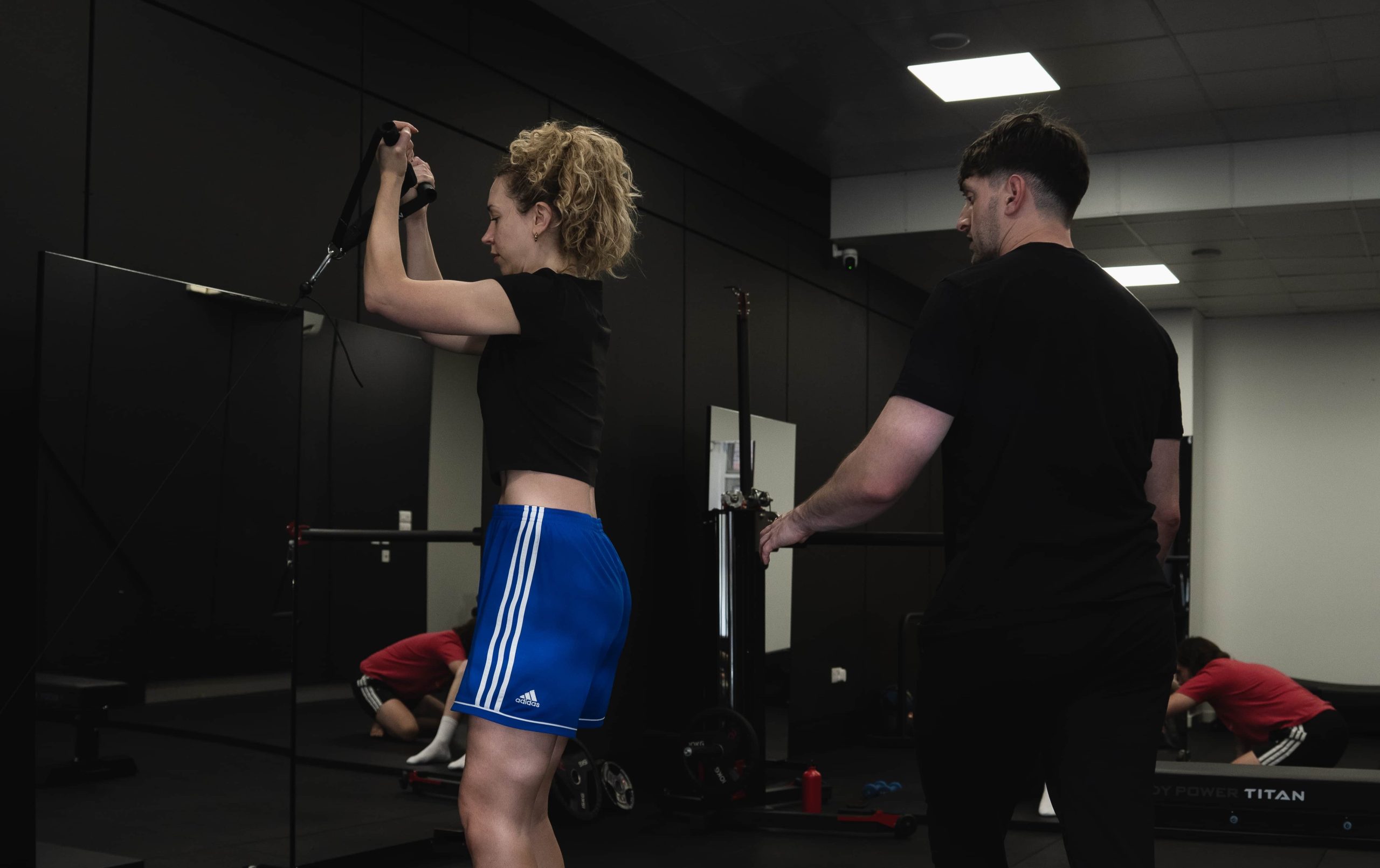
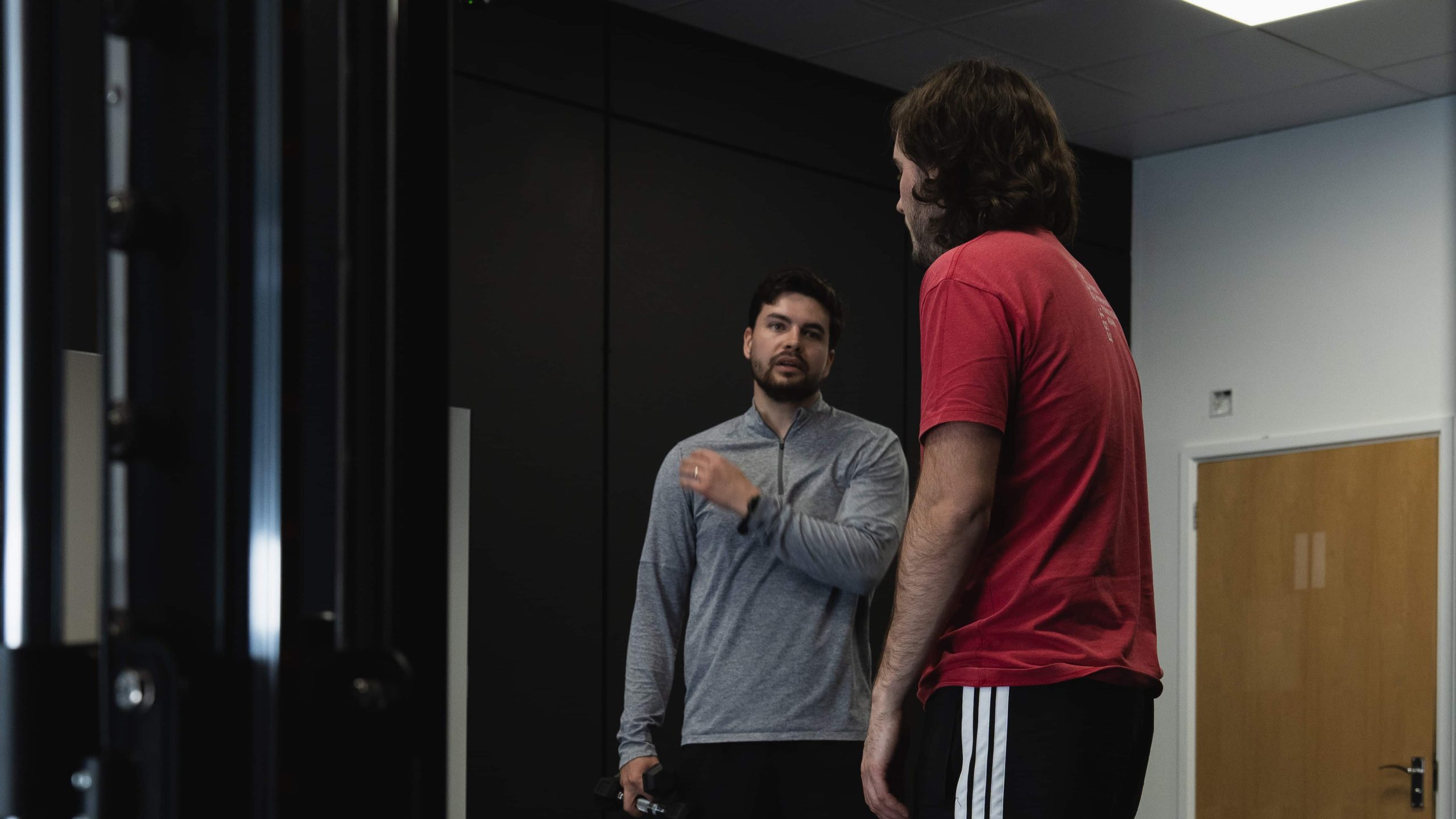
In these cases, working with a biomechanics specialist can provide a more structured and targeted approach. Rather than treating isolated flare-ups, we focus on how the injury developed in the first place and what must change to prevent it from returning.
At Bristol Biomechanics, we frequently support clients with:
- Long-term lower back pain
- Sciatica and nerve-related symptoms
- Shoulder and neck tension linked to posture
- Recurring sports injuries
- Post-surgical movement limitations
Many of these clients arrive after trying multiple forms of care without lasting success. What often changes everything is not more isolated treatments, but training their body to stand and move more functionally as a system.
The Bristol Biomechanics Approach to Movement and Pain
Our method is called Functional Patterns, which is a biomechanics-based training system designed to retrain how the human body stands and moves under real-world conditions.
Rather than isolating muscles, we focus on restoring natural human movement patterns such as standing, walking, running and throwing. These are the foundations that determine how load is distributed through the body during all types of movement.
Clients who come to us after years of trial and error often begin to notice changes not just in pain levels, but in how they move, sleep and recover.
A typical programme includes five key components:
- Myofascial release to reduce tension and improve mobility
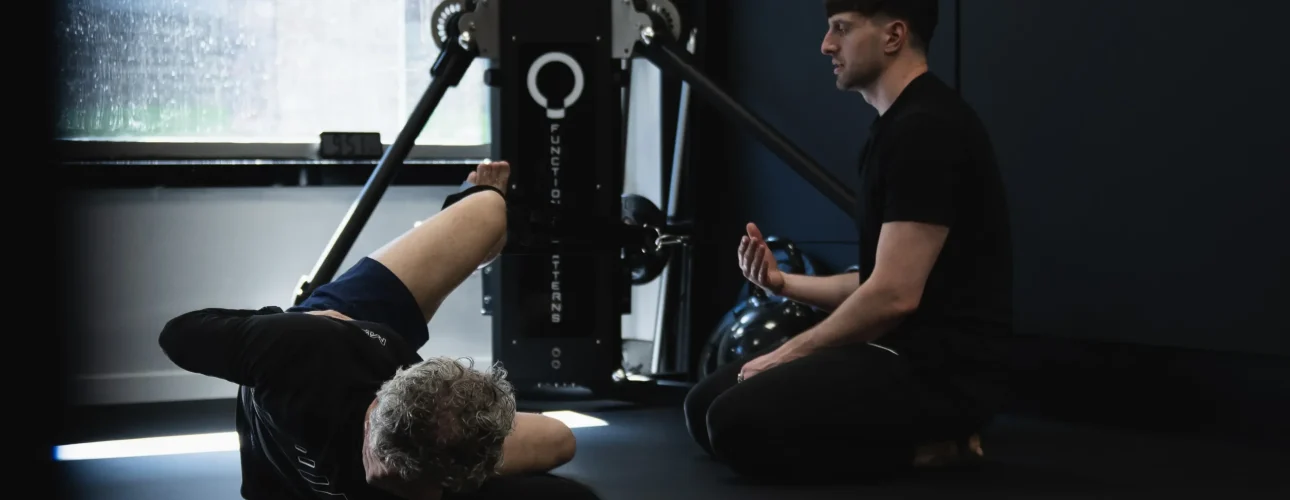
- Corrective exercise to retrain movement patterns
- Lifestyle adjustments including sleep, stress and recovery
- Education so clients understand how to fix their own body
- Ongoing coaching and accountability support
We also work both in person in Bristol and online with clients across the UK and internationally.
Real Results from Real People
We have seen consistent outcomes across a wide range of cases:
- A client reduced their pain from 8.5 to 3 out of 10 in just 12 weeks
- Another eliminated sciatica entirely after six sessions
- A client suffering from migraines reported almost complete resolution after working exclusively online
- Several individuals returned to sport, martial arts and full-time work after years of limitation.
One client who had previously visited multiple lower back pain specialists reported that for the first time, their symptoms did not return once they resumed normal activity.
Another found that understanding gait mechanics completely changed how their body responded to training and daily life.
Why Bristol Biomechanics Is Trusted Locally
What sets us apart is not just the method, but the people behind it.
Our team includes:
- Bobby Filer (HBS4)
- Tom Blake (HBS3)
- Aaron Mason (HBS1)
All practitioners are certified in Functional Patterns, ensuring a consistent and results-driven approach to movement correction. Our Bristol studio provides a focused environment for assessment and coaching, while our online system allows us to support clients wherever they are.
Our focus is not symptom management. It is rebuilding how the body functions from the ground up, a distinction that becomes clear to clients who have tried multiple forms of care without lasting success.
For many people searching for a reliable solution to back pain, the difference becomes clear when they realise that pain is not just something to manage, but something that can be corrected and solved through movement.
Frequently Asked Questions
What makes your approach different from other treatments?
We focus on whole-body movement patterns rather than isolated pain areas. This helps address the root cause instead of temporarily reducing symptoms.
How long does it take to see results?
Many clients notice changes within a few sessions, but meaningful structural improvements typically develop over a 12- to 24-week period depending on the case.
Is this suitable if I have a diagnosed condition such as a herniated disc?
Yes. We work with clients across a wide range of diagnosed conditions. Our assessment is designed to identify what is driving your symptoms and whether our approach is the right fit for your situation. The free initial consultation is the best place to establish this.
Ready to Stop Guessing and Start Recovering?
If you are ready to stop guessing and start understanding what your body needs, Bristol Biomechanics is here to help. Speak with our Bristol movement specialists and book your free phone consultation or initial assessment.
Together, we will identify what is driving your pain and whether our programme is the right fit for you. No guesswork. Just clear direction and a structured path toward lasting change.