
Modern life often involves long hours of sitting, whether at work, during your commute, or at home. The reality is that the majority of our bodies have adapted to this seated position. The human body evolved to stand, walk, run and throw, and becoming adapted to a sedentary lifestyle has created postural and movement dysfunctions that we must retrain the body to overcome.
If you regularly experience lower back pain after long periods of sitting, or when you first stand up, it may be a sign that your body is compensating for underlying movement limitations rather than simple stiffness.
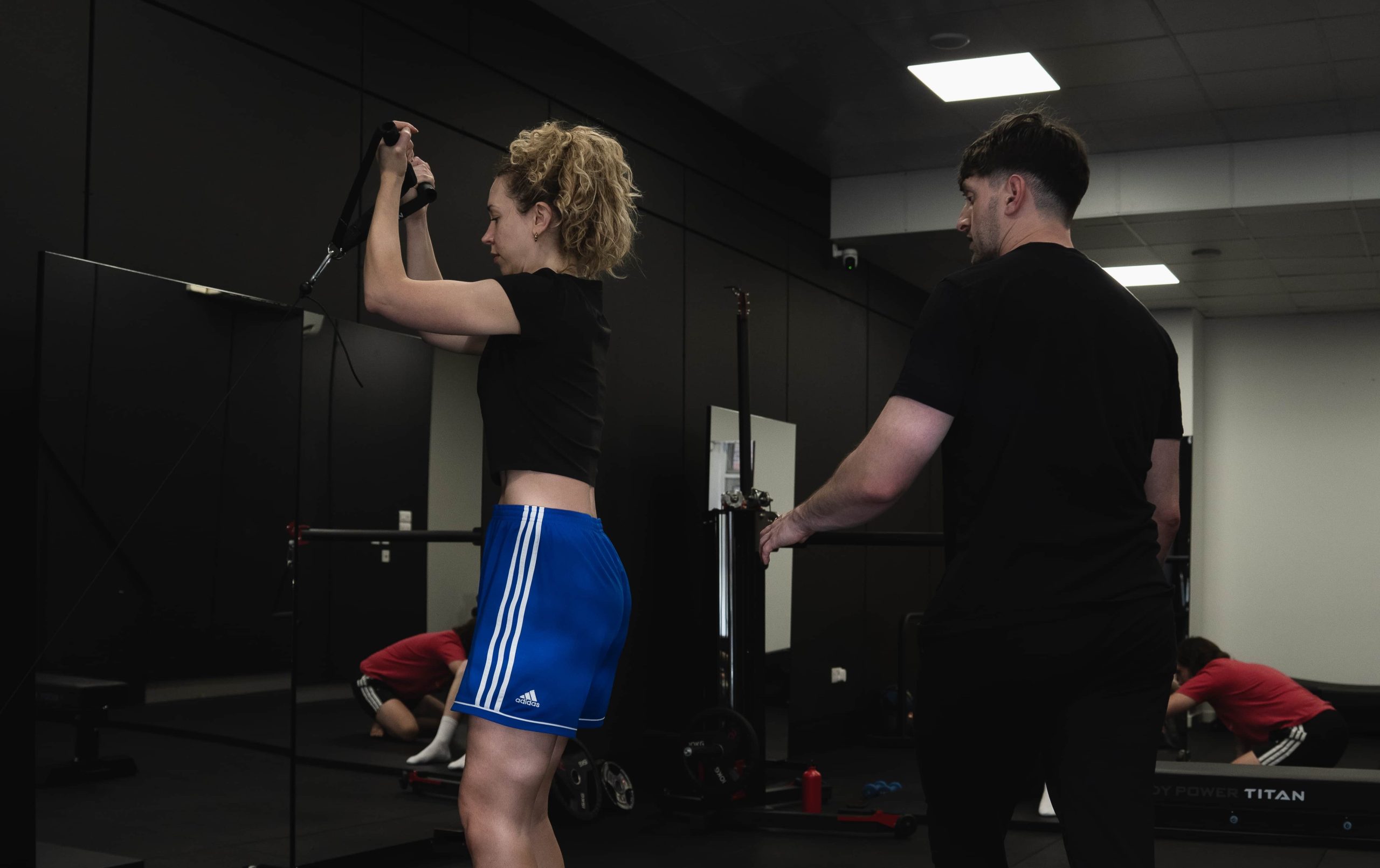
At Bristol Biomechanics, we focus on identifying the root cause of persistent pain rather than simply managing symptoms. Using the Functional Patterns methodology, we retrain the body to execute the primary functions of standing, walking, running and throwing, restoring balance and functionality.
Why Sitting Can Lead to Back Pain
Sitting can lead to pain because your body has adapted to a seated position. This adaptation causes compression through the spine, which is then exacerbated the longer you remain seated.
When you remain seated for extended periods, several things can happen:
- Your hips gradually become less mobile.
- Your glute muscles contribute less during movement.
- Your upper back and shoulders begin to round forwards.
- Your core becomes less effective at supporting your spine.
- Because your body has adapted to sitting, it maintains this tension and these compensations even when standing and moving.
Over time, these changes can increase pressure through the lower back and create inefficient movement patterns that contribute to pain during everyday activities.
For many people, sitting is part of the cause, but avoiding sitting is not the solution. The key is retraining your posture and movement when standing. Once your body has mastered the primary functions of standing, walking, running and throwing, how much you sit down becomes far less relevant.
Why Pain Often Appears When You Stand Up
Many people assume that because pain appears after getting out of a chair, the chair itself is the problem. In reality, this comes down to the SAID principle: Specific Adaptations to Imposed Demands. Whatever position you place your body under repeatedly, your body will adapt to it. If you spend most of your day seated, your body conforms to that position, and this is carried through into how you stand and move.
Sitting itself is not the problem. The issue is that your body has unconsciously trained itself to sit and to hold the tension present in that position. Without addressing this, that same tension carries into standing, making it far more demanding than it should be.
This is why sitting down back pain can gradually progress into discomfort while walking, exercising or even sleeping if the underlying tension pattern remains unaddressed.
Rather than masking symptoms, it is important to understand what your body is trying to tell you, and to rewire that tension so your body preferences standing and natural movement instead.
The Role of Biomechanics
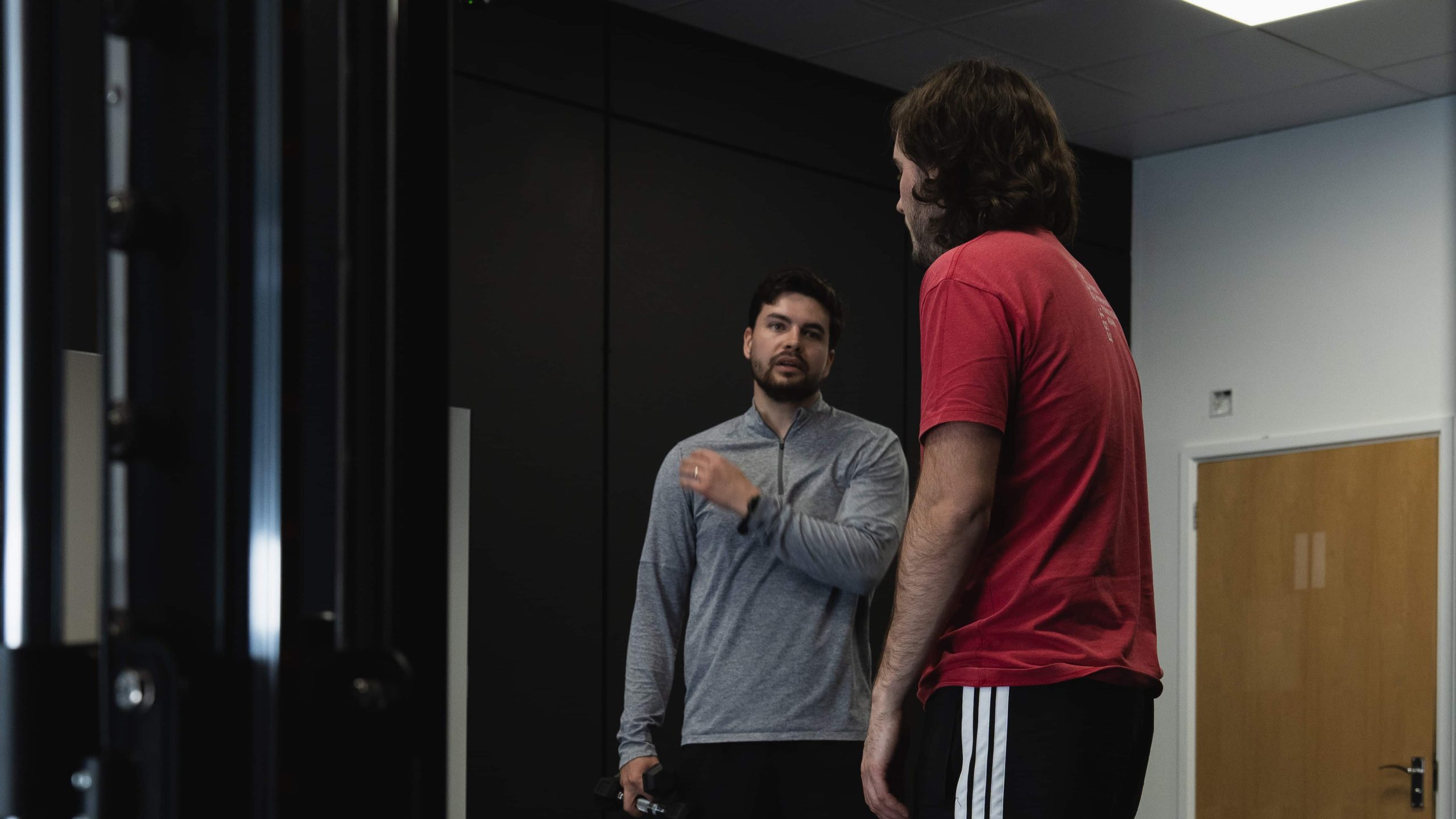
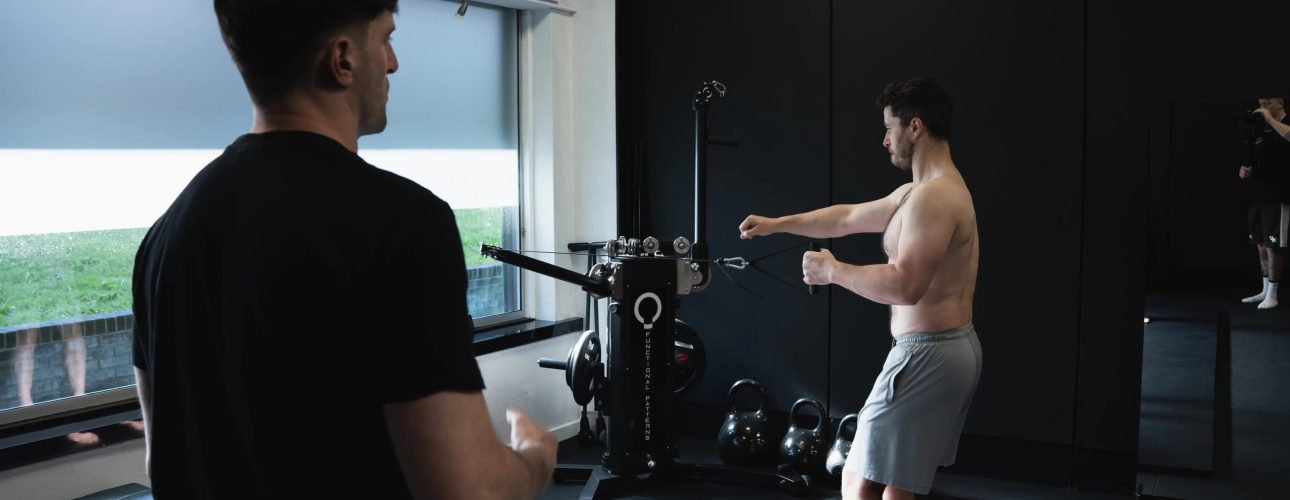
Biomechanics is the science of human movement. At Bristol Biomechanics, we use biomechanical assessment to identify the movement compensations contributing to pain.
Instead of focusing only on the painful area, we assess how your whole body moves together.
This includes examining your:
- Posture
- Walking mechanics
- Hip mobility
- Ribcage positioning
- Shoulder function
- Weight distribution
- Overall movement symmetry
Pain in one area is often the result of dysfunction somewhere else.
Correcting these patterns can reduce unnecessary compression on the spine and improve how your body handles everyday movement.
Building Awareness of Your Own Movement
While persistent pain often requires professional guidance, becoming more aware of how you sit, stand and move throughout the day is a valuable first step.
Start paying attention to:
- How you position yourself when sitting, and whether certain positions increase discomfort.
- How you stand, and whether your weight shifts unevenly or your posture changes when pain appears.
- Which movements or positions seem to trigger or worsen your symptoms.
Building this awareness helps you understand how your body’s dysfunctional compensations are contributing to your pain, though identifying the full picture and correcting it usually requires a professional movement assessment.
Why Corrective Exercise Matters
Many exercise programmes strengthen muscles without improving how those muscles work together. Muscles need to work together to retrain standing, walking, running and throwing, because when we adapt our bodies back to their ancestral blueprint, we thrive pain-free.
Functional Patterns takes the latter approach, training your muscles to work together in support of these primary functions, rather than strengthening them in isolation.
Our corrective exercise system focuses on improving the coordination of your entire body, allowing muscles to support one another during natural human movement.
Alongside corrective exercise, our programmes also include:
- Myofascial release to improve tissue mobility.
- Lifestyle changes that support recovery, including sleep, stress management and healthy daily habits.
- Education so you understand why pain occurs and how to prevent it.
- Accountability and support from your coach throughout your programme.
- Progressive movement training tailored to your individual needs.
The aim is to improve the way you stand, walk, run and throw, so that you can sit without pain. Your body is built for these primary functions, which is why training for them, rather than simply increasing strength, is what delivers lasting results.
Why Choose Bristol Biomechanics?
Our Bristol studio helps people who have struggled with persistent pain for months or even years.
Our certified Functional Patterns practitioners include:
- Bobby Filer, HBS4
- Tom Blake, HBS3
- Aaron Mason, HBS1
Every client can book straight into a free posture and gait assessment. From there, we recommend the most appropriate programme based on your goals, lifestyle and current movement ability. We also offer flexible pay-as-you-go sessions alongside structured programmes, with pricing varying by practitioner.
Clients visit us from across Bristol, including Bedminster, Redland, Bishopston, Horfield and surrounding areas, while many others work with us remotely across the UK and internationally.
Most importantly, our approach is supported by genuine client transformations.
These include:
- A client who reduced their pain from 8.5 out of 10 to 3 out of 10 within 12 weeks while also losing 12 kilograms.
- A client who eliminated sciatica after just six sessions.
- A client who became virtually migraine free after completing an online programme.
- Clients returning to martial arts, running and everyday family life after years of chronic pain.
Many had previously tried chiropractic treatment, physiotherapy and conventional gym training before discovering Functional Patterns.
When Should You Seek Professional Help?
Occasional stiffness after a long day at your desk is common.
However, if you regularly experience lower back pain, or notice that your symptoms are becoming more frequent or affecting daily activities, it may be time to investigate the root cause.
The earlier dysfunctional movement patterns are identified, the easier they are often to correct before they become long term habits.
Frequently Asked Questions
Can Sitting Cause Permanent Back Problems?
Sitting alone does not usually cause permanent damage. However, years of poor movement habits and reduced mobility can contribute to chronic dysfunction if left unaddressed.
Why Do I Get Low Back Pain After Sitting Even Though My Scan Was Normal?
Scans do not always explain pain. Many people experience low back pain after sitting because of movement compensations, poor posture or inefficient biomechanics that imaging cannot identify.
Can Online Coaching Help With Sitting Related Back Pain?
Yes. Bristol Biomechanics successfully works with clients online throughout the UK and internationally. We assess movement, provide detailed feedback and guide clients through tailored corrective exercise programmes wherever they are.
Conclusion
Long periods of sitting are part of modern life, but chronic pain does not have to be.
Whether you experience sitting down back pain, stiffness when standing up or persistent discomfort throughout the day, improving your biomechanics can make a lasting difference.
Rather than chasing temporary relief, addressing the root cause of dysfunctional movement gives your body the opportunity to move better, feel stronger and remain active for years to come.
Take the First Step Towards Lasting Relief
Get in touch with Bristol Biomechanics for a personalised assessment and find out which programme or session option is right for you. Prefer flexibility? We also offer pay-as-you-go sessions alongside structured programmes. Book your free assessment to find out what works for you.