
Bristol has become a city where more people are questioning not just how to train, but how to move. From office workers in Clifton to athletes in Bedminster and creative professionals in Stokes Croft, there is a growing awareness that recurring pain is rarely random. It is usually connected to how the body has learned to move over time.
Many people across the city are now exploring more advanced ways of understanding their bodies, including gait analysis in Bristol, to identify the deeper causes behind long-term discomfort and performance limitations.
For those dealing with ongoing stiffness, nerve irritation, or recurring injuries, traditional approaches often focus on short-term relief. But a growing number of Bristol residents are looking for something more complete, something that addresses how the body functions as a system rather than treating isolated symptoms.
This is where Bristol Biomechanics has become a trusted option.
Why More People in Bristol Are Rethinking Pain and Movement
Across areas like Redland, Bishopston, and Southville, people are increasingly frustrated with cycles of temporary improvement followed by pain returning. Whether it is work-related posture strain or sports-related injury, the same patterns tend to appear.
One of the most common reasons people seek back pain treatment in Bristol is that the discomfort keeps coming back despite rest, stretching, or general exercise routines. Instead of improving long-term, the issue often shifts in location or intensity, with no noticeable progress.
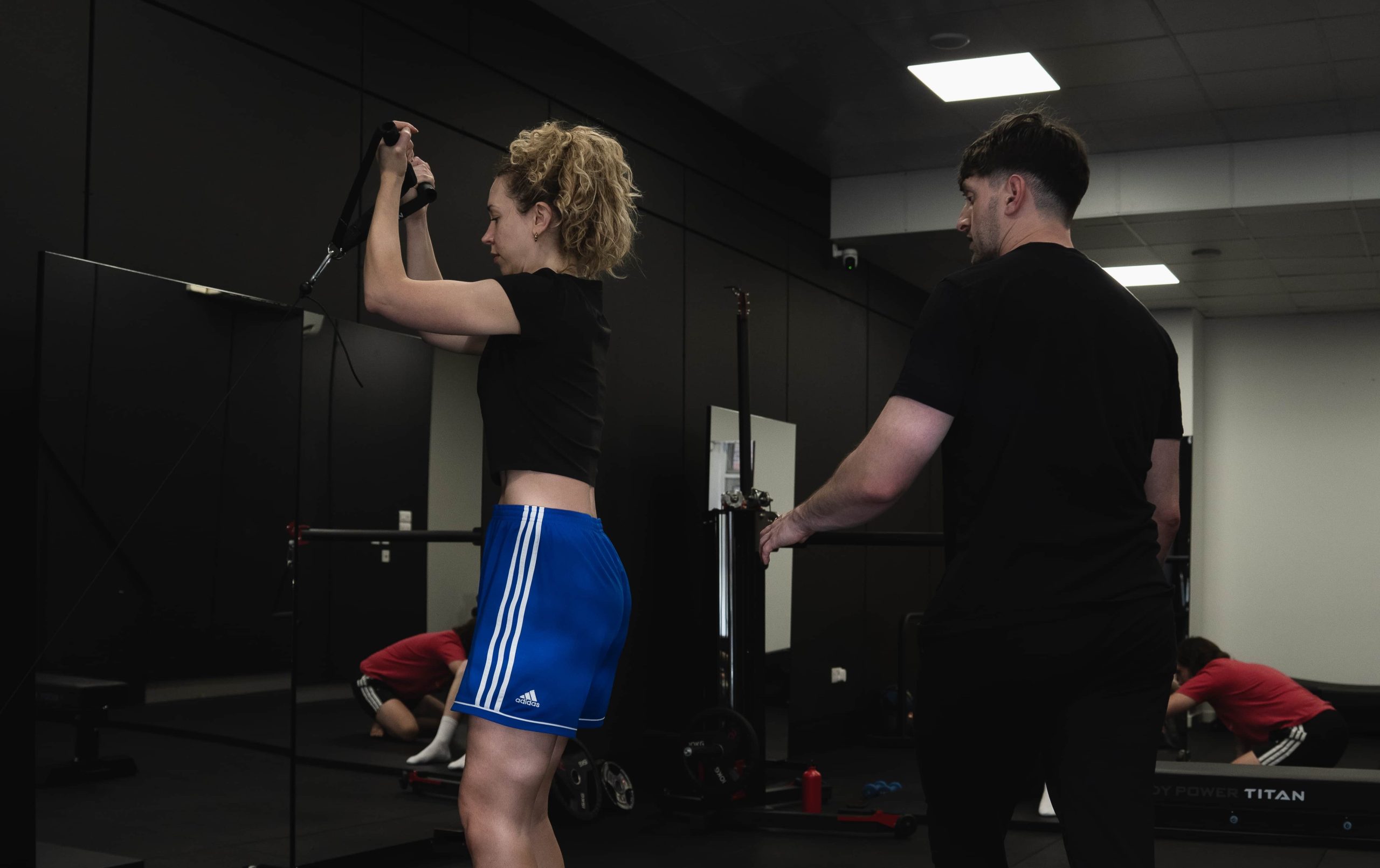
At Bristol Biomechanics, we do not focus on chasing symptoms. We aim to understand how a person moves throughout their day, then retrain those patterns so the body can function more efficiently under real-world demands.
Understanding How Movement Affects Pain
One of the key tools we use in assessment is gait analysis in Bristol. This involves observing how a person walks and runs, giving us insight into the postural and biomechanical dysfunctions that may be keeping you in pain. Walking and running are the foundations of human movement. If imbalances are present in these patterns, they will create long-term problems throughout the body.
Gait is one of the most important indicators of long-term movement health. When walking mechanics are inefficient, the body begins to compensate, often leading to overload in areas like the lower back, neck, or hips. This is why so many people seeking gait analysis in Bristol are surprised to discover that their symptoms are linked to how they move every single day.
By identifying these patterns early, it becomes possible to retrain movement in a structured way rather than relying on short-term fixes.
A Different Approach To Back Pain In Bristol
Many clients arrive after trying multiple approaches for back pain treatment in Bristol without lasting success. They often describe temporary relief followed by symptoms returning during normal daily activity such as sitting, lifting, or exercise.
Instead of focusing on isolated areas of discomfort, our approach looks at how the entire body works together. This includes posture, breathing patterns, walking mechanics, and load distribution through the hips and spine.
Clients who begin structured back pain treatment in Bristol with us often report changes not just in pain levels, but also in posture, strength, and a greater confidence in how they move.
Real examples include individuals who have:
- Reduced pain from high-intensity levels to manageable or minimal levels within weeks
- Returned to training after years of limitation
- Regained the ability to work and move without constant discomfort
How Corrective Exercise Changes Movement Long Term
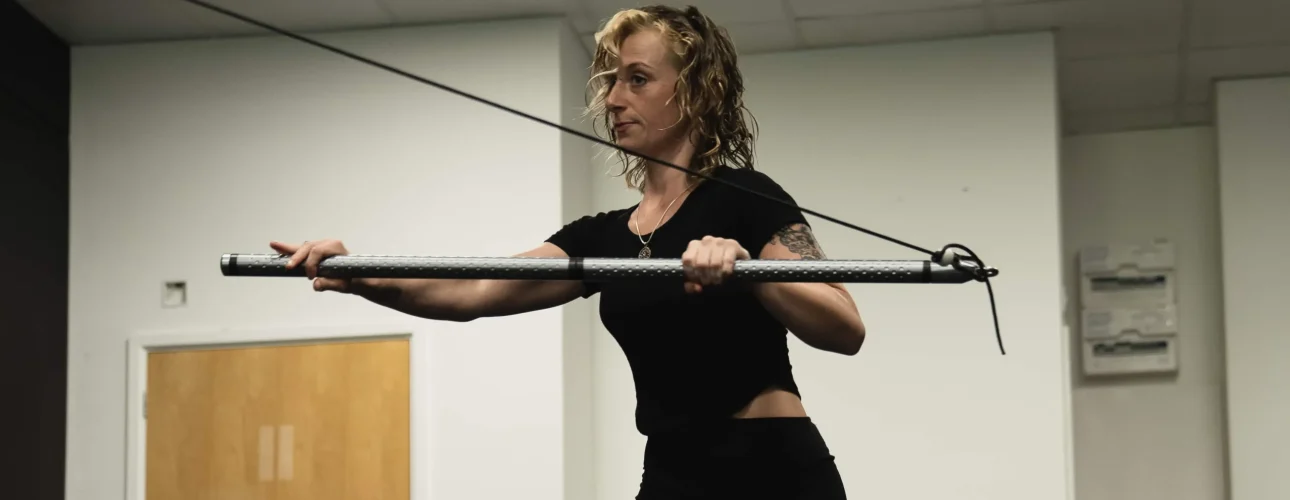
A key part of our process is corrective exercise in Bristol, which focuses on retraining how muscles coordinate during everyday movement. This is not about isolated strengthening. It is about teaching the body to work as a connected system. This approach is used to:
- Restore balance between opposing muscle groups
- Improve coordination during walking and running
- Reduce unnecessary strain on joints and connective tissue
When people first begin corrective exercise in Bristol, they often notice improvements in awareness before physical changes occur. Over time, these new patterns become more natural, allowing the body to function with less strain in daily life.
What The Programme Involves
Our process is structured to give clarity from the very beginning.
Step one begins with a free phone consultation to understand your current situation and goals.
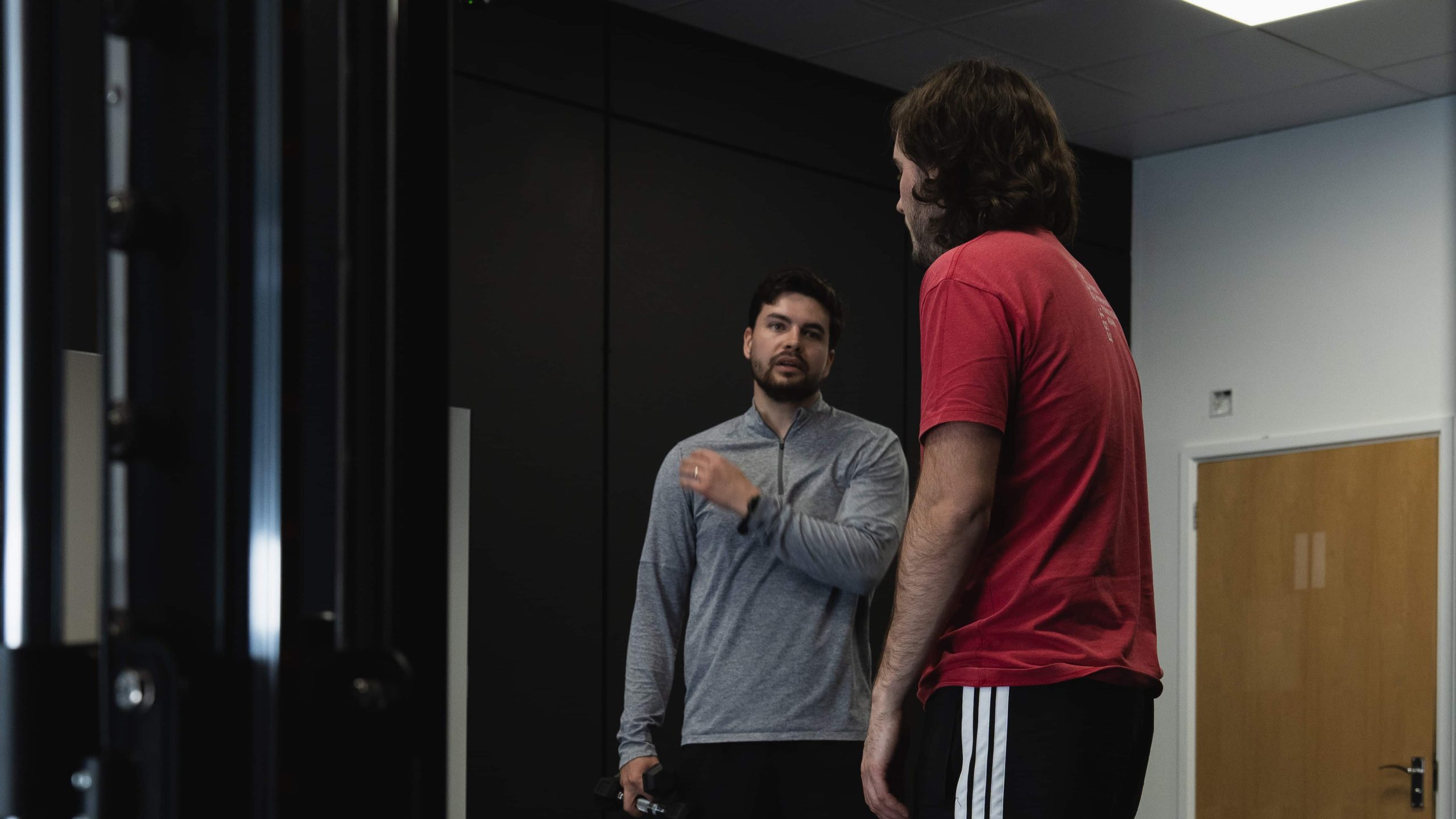
Step two is a free initial assessment where posture and movement are evaluated in detail, including a full gait analysis in Bristol where appropriate.
Step three is a tailored 24-week programme designed to address movement patterns, build resilience, and reduce pain at its source.
The programme includes five key components:
- Myofascial release to reduce tension and improve mobility
- Lifestyle guidance to support recovery and reduce daily stress on the body
- Education so you understand what is driving your symptoms
- Ongoing support and accountability from your coach
- Corrective exercise to retrain movement patterns over time
Why Bristol Biomechanics Is Becoming A Preferred Choice
People across Bristol are choosing our approach because it focuses on long-term change rather than temporary relief. It is also highly personalised, recognising that no two bodies move in exactly the same way.
Our team includes certified practitioners:
- Bobby Filer (HBS4)
- Tom Blake (HBS3)
- Aaron Mason (HBS1)
Each practitioner is trained in Functional Patterns methodology, which forms the foundation of our system. Our emphasis is always on improving how the body moves in real life, not just during exercise sessions.
Clients regularly come to us after trying other forms of support for back pain treatment in Bristol without lasting results. Many report that this is the first time they have had a clear explanation of why their symptoms developed in the first place.
Real Client Outcomes
Across Bristol and beyond, clients have experienced significant changes, including:
- Reduction of chronic pain after years of discomfort
- Elimination of sciatica symptoms within weeks in some cases
- Return to sport, martial arts, and active lifestyles
- Improved confidence in movement and daily activity
One client reduced their pain from 8.5 out of 10 to 3 out of 10 within 12 weeks while also losing 12 kilograms. Another client was able to return to training after six sessions following long-term nerve-related symptoms.
These outcomes highlight the importance of addressing movement patterns rather than only focusing on symptoms.
Frequently Asked Questions
What makes this approach different from other treatments?
We focus on movement patterns rather than isolated symptoms. Instead of short-term management, our aim is to retrain how the body functions in daily life.
How long does it take to see results?
Many clients notice changes within weeks, but lasting improvements typically develop over the 24-week programme as movement patterns are retrained.
Do I need to be fit before starting?
No. Our programme is designed to meet you where you are and gradually build capacity through structured progression.
Ready to Move Better and Live Without Pain?
Chronic pain is rarely just about the area where symptoms appear. In many cases, it is linked to how the body moves, adapts, and compensates over time. By combining detailed movement assessment, structured coaching, and progressive retraining, we offer a clear pathway for people who want lasting change rather than temporary relief.
Book your free consultation or initial assessment with our team today and find out if our 24-week programme is right for you.